image_1751951181471.webp

September 30, 2024

Pakistan’s industry is teetering on the brink of collapse, with policies that are actively dismantling it.

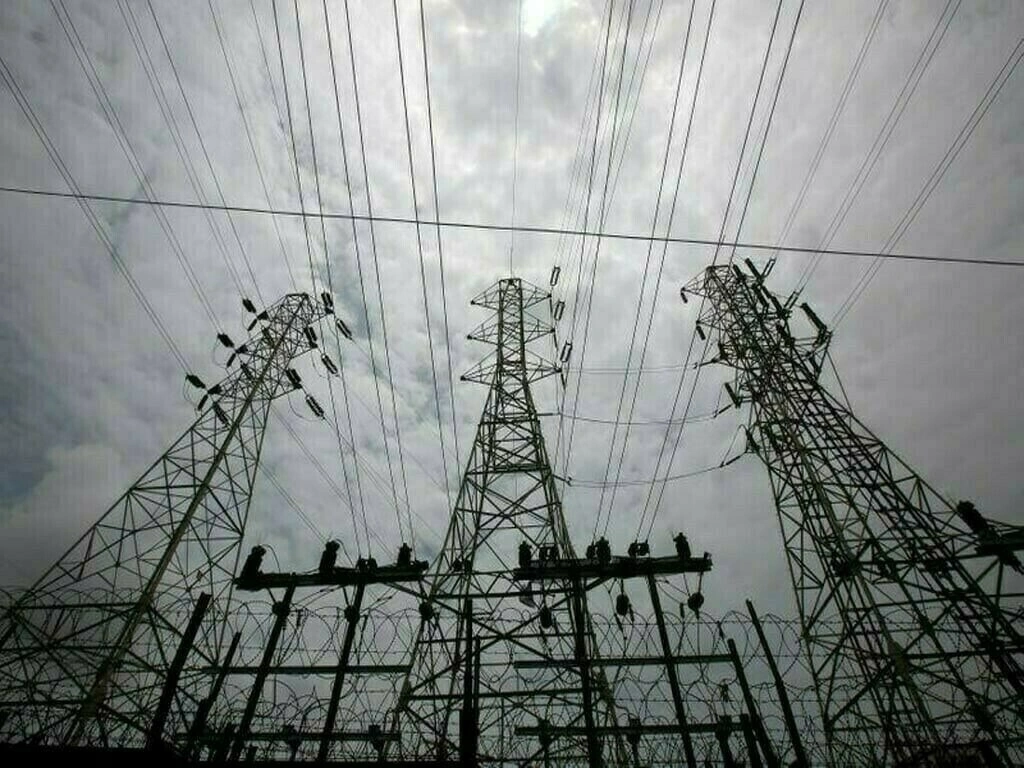
Chief among the culprits is the prohibitive cost of energy, driven by a deeply dysfunctional energy sector. Without urgent reforms to rationalize and reduce energy costs to globally competitive levels, Pakistan will remain trapped in a cycle of stagnation, incapable of exploiting its industrial potential to stimulate exports and generate sustainable income growth and development.

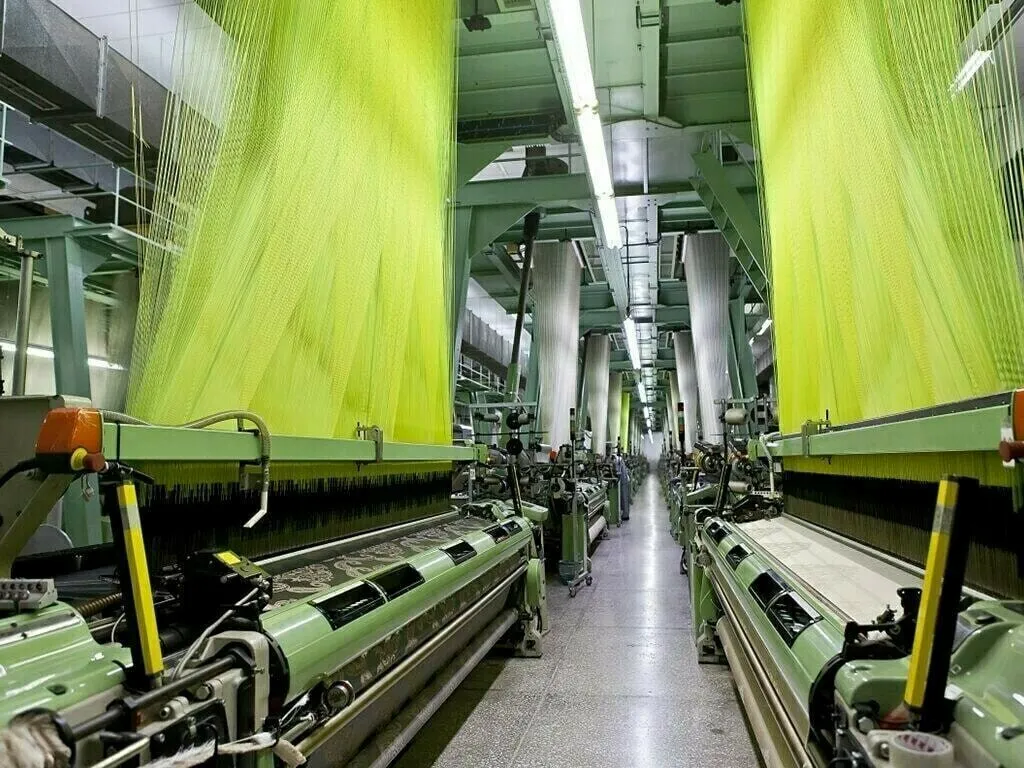
Instead of enabling growth, current policies are accelerating deindustrialization, decimating well-established sectors of the economy. The textile value chain, particularly the spinning and weaving sectors, are glaring examples. These sectors are integral not only for export earnings but also for sustaining employment and supporting ecosystems of livelihoods. Yet, they are now in existential peril due to energy costs that are nearly double those of competitor countries, coupled with counterproductive fiscal policies.

With grid tariffs in Pakistan between 13-16 cents/kWh compared to 5-9 cents in competing countries and energy accounting for up to 54% of conversion costs across the textile value chain, another major blow came with the withdrawal of the zero-rating and sales tax exemption on local supplies for export manufacturing. This policy subjected domestic inputs to an 18% sales tax while imports of the same goods remain duty- and tax-free under the Export Facilitation Scheme. Such a policy defies economic logic and international trade norms, including those under the WTO framework, which emphasize creating a level playing field between local industries and imports. Countries worldwide often tilt the playing field to protect their domestic industries. Pakistan, conversely, has done the opposite—effectively subsidizing foreign manufacturers while taxing its own. The result has been devastating for local production, creating distortions that undermine the competitiveness of Pakistani products in both domestic and global markets.

However, even if this fiscal imbalance were rectified, Pakistan’s textile sectors would still face insurmountable challenges. Energy costs remain the principal bottleneck. Yarn and cloth produced domestically are uncompetitive against imports even after paying customs duties, regulatory duties, and sales tax on imports. Energy is the primary driver of this disparity, eroding the global competitiveness of Pakistan’s exports and dismantling energy-intensive upstream segments of the textile value chain.

Pakistan is uniquely positioned as one of only three countries in the world with a complete textile and apparel value chain—from cotton growing, spinning, and weaving to apparel manufacturing. This integrated ecosystem is a key advantage in an era where global buyers prioritize supply chain resilience. Geopolitical tensions and increasing risks in global value chains (GVCs) have made it imperative for brands to diversify sourcing towards destinations with full value chain capabilities. Pakistan could be a viable alternative to countries like China, but its potential is severely undermined by domestic policies that systematically dismantle its textile value chain.

Some argue that Pakistan’s recent uptick in textile exports suggests resilience. This claim is misguided. The uptick merely reflects partial recovery following the disruption of Bangladesh’s textile industry, which diverted temporary orders to Pakistan. With Bangladesh’s operations now restored, this artificial boost is unlikely to be sustained. Moreover, textile exports peaked at $19.3 billion in FY22, and the country is still struggling to reach that level. Even if growth resumes, the potential for export expansion is capped at approximately $25 billion due to limited production capacity—an unachievable target under the prevailing energy prices and punitive business environment.

Industrial policy is also about more than export earnings; it is equally about employment generation and sustaining economic ecosystems. The textile industry in Pakistan drives job creation across the value chain, from farming communities in the cotton economy to skilled and semi-skilled workers in textile production hubs. Policies that drive deindustrialization have devastating consequences for millions of livelihoods, increasing unemployment and exacerbating social inequality. With negligible investment in productive sectors, these displaced jobs are not being replaced, compounding the country’s economic woes.

Furthermore, the reliance on imports to replace domestic inputs undermines net foreign exchange earnings. While a few large exporters may sustain themselves by adding value to increasingly imported inputs, this model results in lower overall domestic value addition. Import dependence erodes the broader industrial ecosystem and does not add enough to, if not taking away from, foreign exchange reserves, leaving the country even more vulnerable.

A comprehensive and urgent overhaul of energy and fiscal policies is essential to halt the ongoing deindustrialization and unhamper the country’s economic potential. Restoring the zero-rating and sales tax exemption for export-oriented local supplies is a necessary first step to level the playing field for domestic industries. However, fiscal adjustments alone will not suffice. The energy sector demands radical reform to enable globally competitive costs for industrial consumers.

Most importantly, grid power tariffs must be reduced to a competitive 9 cents/kWh for industrial users. Second, the Competitive Trading Bilateral Contract Market (CTBCM) must be operationalized. This would enable industrial consumers to procure clean electricity at competitive prices through B2B contracts while also meeting net-zero requirements and preparing for the EU’s Carbon Border Adjustment Mechanism. To make it successful, however, the use of system/wheeling charge must be set at a financially viable 1-1.5 cents/kWh, excluding cross subsidies and stranded costs, as opposed to proposed charge of ~10 cents/kWh by the CPPA-G that is unsustainable, negates the benefits of competitive electricity procurement, and is more than the full cost of electricity in competing countries.

In the gas sector, the government must refrain from shutting off gas supply to captive power plants only to force their users to the grid. Power availability and grid infrastructure is not equipped to absorb the additional load from captive users, as acknowledged by the Secretary Power Division before the Senate Standing Committee on Energy. In Karachi, for instance, there is not enough physical space to install grid stations to service current captive users, while the grid infrastructure under HESCO is too old and outdated to support large industrial loads. Many industrial users across the country lack grid connections or sufficient sanctioned load and face prohibitive costs and delays of up to three years for new connections and load enhancement. Until the necessary grid infrastructure is in place and power tariffs are reduced to a competitive 9 cents/kWh that automatically incentivize a transition to the grid, policies that restrict gas supply to captive generators and force an unnatural switch to the grid will only exacerbate the challenges faced by industry.

Grid reliability is another critical issue. Export-quality textile production cannot tolerate frequent power outages, fluctuations, or blips, which cause costly disruptions and damage sophisticated machinery. Many industries have also invested in high-efficiency combined heat and power (CHP) plants that not only generate electricity but also produce the steam and hot water required for industrial processes. Forcing these industries to rely solely on grid electricity would require additional investment in inefficient gas-fired boilers, raising operational costs and wasting valuable gas resources. In any case, “captive” gas tariffs are just a misnomer invented to justify discriminatory pricing for different industrial uses. In-house power generation, as also declared by the Supreme Court, is in fact an industrial process just like other industrial applications as long as the power generated is used to add value within the same industrial facility.

Gas supply to captive users must thus continue to such units at ring-fenced RLNG prices with rationalized UFG and no gross subsidies in the immediate term. Simultaneously, the gas sector must be liberalized to reduce inefficiencies and encourage competitive procurement. Industrial users should have the option to import RLNG directly and access 35% of new domestic gas discoveries under the direct access policy approved by the CCI. It is of utmost importance to open up the energy markets and allow industries to choose whichever energy source makes them competitive, be it grid electricity or gas-fired captive generation.

Pakistan’s economic crisis cannot be resolved without addressing these systemic issues crippling industrial sectors. A vibrant, competitive industrial base is the foundation of sustainable economic growth, employment, and export earnings. Current policies are dismantling this foundation, with energy costs and fiscal distortions driving deindustrialization. Policymakers must act decisively to create a level playing field for local industries, rationalize energy costs, and foster an environment conducive to exports, investment and economic growth.
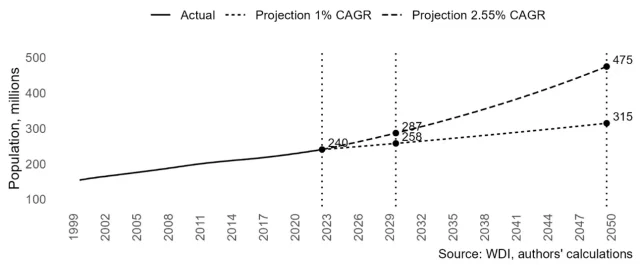
image_1751950664637.webp

September 19, 2024

Pakistan’s economic management, particularly its treatment of export-oriented industries, is nothing short of complete madness.

At a time when Pakistan is facing its worst-ever economic crisis—with a foreign exchange shortfall exceeding $25 billion per annum for the next five years, extreme uncertainty surrounding the IMF program, and struggling to secure rollovers and additional financing amidst a junk credit rating—the government is stifling sectors capable of delivering upwards of $15 billion in additional export revenue if the policy mess is addressed. Whether it’s IT, textiles, leather, or other key industries, every sector is being squeezed under the weight of misguided policies, eroding their capacity to contribute to economic recovery.

Presumptive tax measures to increase revenue collection have instead crippled businesses that are otherwise drivers of economic stability and growth towards collapse. The textile and apparel industry, a once thriving sector responding for over 60% of export revenue, finds itself suffocated under the weight of an incoherent tax regime, delayed refunds, skyrocketing energy prices, and a failure by the government to respond to its repeated calls for action.

As economic activity collapses, tax revenue inevitably declines; expecting higher collection from a dwindling economy is completely irrational. This is not just a story of mismanagement but a case study in how flawed government policies can bring even the most resilient industries to their knees.

Perhaps one of the most mind-boggling decisions in recent months was the withdrawal of zero-rating on local supplies under the Export Facilitation Scheme. This single policy move has nearly wiped-out Pakistan’s spinning and weaving sectors that were already struggling to compete due to prohibitive energy prices. By imposing sales tax on domestically manufactured inputs, the government has effectively afforded protection to imports of yarn and cloth. Why would exporters buy local inputs and then wait months, or perhaps indefinitely, for refunds? As expected, they’ve shifted to imports, leaving the local upstream industry high and dry with no market for their goods.

Pakistan was once home to a full textile and apparel value chain, a rare asset in the global market. Apart from India and China, no other country has this capability. But it’s better to speak of this in the past tense because these sectors are now on life support thanks to blundersome government policies. As international markets move towards “super-vendors”—large, vertically integrated and horizontally diversified companies or groups of companies that can provide end-to-end solutions—Pakistan’s textile industry is being left behind.

Super-vendors are becoming the future of global value chains. These are firms that can handle everything from design and raw material sourcing to production, logistics, and even marketing. In a world where geopolitical and climate risks are disrupting global supply chains, retailers and buying houses want fewer, more reliable partners. Pakistan should have been at the forefront of this shift, but instead, it is missing yet another train, thanks to an inept policy apparatus.

Another major factor contributing to the economic turmoil is the dysfunction of Pakistan’s tax system, especially with respect to the Federal Board of Revenue (FBR). The current tax regime has become an elaborate exercise in futility—ineffectual for businesses and a disaster for government revenue collection.

Since the implementation of SRO 350, every month, businesses across Pakistan brace themselves for the chaotic routine of filing sales tax returns. Like clockwork, government and public-sector entities fail to file their own returns on time, resulting in cascading delays for everyone else. This causes a ripple effect where businesses are unable to file their returns, and in-turn their customers and then their customers are unable to file their returns, leading to undue penalties for all. Repeated pleas from the private sector, as well as explicit directives from the Prime Minister himself, have been met with indifference by the FBR. It’s as if the state has abandoned any pretence of collaboration with sectors that drive the economy.

After businesses spend precious time and resources meticulously filing their returns, the expectation would be that sales tax refunds, particularly under the FASTER scheme, are processed in a timely manner. The law is clear on this: Rule 39F of the Sales Tax Rules 2006 mandates that refunds under the FASTER system should be processed within 72 hours. Yet, the FBR now routinely delays these payments, holding hostage the liquidity that exporters desperately need. For the government, this is a cash-flow management tactic. For businesses, it’s a chokehold, stifling their ability to function. The opportunity cost is staggering—if these funds were simply parked in banks, the return would be 20%. But as working capital or for reinvestment in production, that figure would be much higher.

What kind of economic strategy is this? The government squeezes the lifeblood out of exporters to pay for bureaucratic inefficiencies. It’s a cruel irony that businesses, trying to contribute to national growth, are being taxed to pay for the very apparatus that’s dragging them down. How does the FBR justify sacrificing industry liquidity to fund its sprawling, inefficient structure—epitomized by the 172 malis mowing its lawns?

Pakistan’s textile and apparel sector is a high-volume, low-margin business. Between an 18% tax on all inputs, a 1.25% minimum turnover tax, and a 1.25% tax on export proceeds (including the EDF surcharge), the cumulative burden on businesses is unsustainable. When the government effectively drains 20% of a company’s revenue through various taxes while simultaneously blocking access to refunds, how can any business survive? It’s a marvel that any manufacturers are still surviving.

And the worst is yet to come. As pointed out by notable economist Dr. Hafeez Pasha in his recent op-ed, the FBR’s tax collection numbers for FY2024 are, predictably, fudged. As a result, there are already considerations of additional withholding taxes being imposed starting October. Worse, there are strong indications that sales tax refunds to exporters are going to be severely curtailed, if not entirely frozen. Despite being repeatedly warned that this punitive tax regime will not work—especially with rampant inflation and soaring energy prices—the government has ignored all advice.

It’s not that there isn’t demand in international markets. With the West decoupling from China and Bangladesh grappling with its own crises, Pakistan has a golden opportunity to expand its export base. Yet, businesses lack the working capital to take advantage of these opportunities. The export orders are there, but the liquidity and business environment aren’t.

And perhaps the biggest nail in the coffin is energy. The government talks a big game about resolving the power sector’s woes, but for the private sector, the situation has gone from bad to worse. Power tariffs exceed 15 cents/kWh, rendering grid electricity financially unviable for most industrial players given their competitors in India, Bangladesh and Vietnam get the same for 6-9 cents/kWh. What’s left of the sector has only managed to survive on gas-fired captive power plants. Now, the government is gunning for those too.

Captive power plants are an integral part of industrial processes worldwide. The government’s attempt to phase out captive generation is not only misguided but also destructive. Co-generation is far more efficient than grid power, and advanced economies like the U.S. and EU actively promote it as a greener, more sustainable alternative. Emerging markets like Indonesia are doing the same. Yet here we are, in Pakistan, bent of shutting down the very systems that the world is promoting, and which help keep industry alive.

Activities taking place within the walls of a factory are part of the manufacturing process. Forcing businesses to abandon captive power in favour of a dying grid makes no economic sense. At current grid prices, businesses will either transition to other alternatives—such as biogas, coal, or furnace oil—or they will shut down, as many have already done. Captive power, particularly combined heat and power, doesn’t just generate electricity; it also produces heat, which is vital for many industrial processes. It is imperative that captive be classified under the industrial gas tariff category, as the gas used in these systems is integral to the industrial process itself, not merely for power generation. Penalizing captive users by making them pay punitive tariffs for gas, rife with cross-subsidies and the gas companies’ losses, is nothing short of self-sabotage.

The picture couldn’t be clearer: the government is at war with its own economy. Instead of fostering an environment where businesses can thrive, it is systematically draining them of their resources, cutting them off from markets, and punishing them for trying to compete globally. The tax regime is broken, the energy policy is a disaster, and despite countless warnings, there seems to be no end to the madness.

Yet, the choice is still there, but ever fleeting. On one path lies an opportunity to capitalize on global market trends, attract international buyers, and solidify Pakistan’s position as a key player in the global textile and apparel value chain. On the other lies continued stagnation, driven by shortsighted policies that choke the very businesses they are supposed to support. If the government doesn’t get its act together soon, there won’t be much of an industry left to save.


66de1f37d7641.webp

September 9, 2024

Population growth can be a double-edged sword: it can either provide a growing labor force that drives economic growth or become a ticking bomb waiting to implode.

As the population rises, so does the demand for goods and services—especially for necessities like food, water, energy, and public services such as health and education, creating a need for increased business activity to meet increasing demand.

Business activities, in turn, generate labor demand, which is fulfilled by an expanding workforce from within the same population that initiated the cycle. This creates a mutually beneficial cycle that circulates wealth in the economy: money flows from population to industry when goods are consumed and returns to population in the form of wages for the labor supplied.

As the economy grows, the role of government regulation and public policy becomes increasingly crucial for this process to work smoothly.

Population growth must remain within levels sustainable by economic development.

In the absence of comprehensive long-term planning, as is the case in Pakistan, population growth creates a strain on resources that a low-performing economy cannot support, ultimately leading to socio-economic deterioration. If Pakistan continues to grow at its current rate, its ability to sustain its people will diminish, plunging the nation further into poverty, inequality, and social chaos (Figure 1).

Figure 1.Pakistan’s population is projected to double by 2050 if the current growth trend prevails.


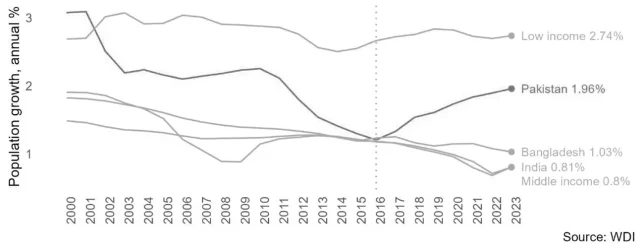
The latest population census of Pakistan reports an average annual growth rate of 2.55% from 2017 to 2023, three times the global rate of 0.88%. In contrast, other South Asian countries have reduced their growth rates to align with the middle-income average of 0.8%. Pakistan nearly achieved this milestone as well, lowering its growth rate from 3.1% in 2000 to 1.2% in 2016.

However, since then, the trend has reversed, moving closer to the average of low-income countries (Figure 2). The population growth rate has consistently climbed in the years following 2016, raising the question: What happened post-2016 that unraveled decades of progress?

Figure 2. From 3.1% in 2000, Pakistan’s population growth was reigned in to 1.2% in 2016 but has been on the rise ever since.


Frequent political, economic, and social turmoil has shifted national focus away from human development to survival.

In the hallways of policymaking, population is then a forgotten agenda. To date, there has been no national population policy that streamlines and guides efforts towards realization of Pakistan’s international commitments, including universal access to family planning services, addressing information needs, ensuring contraceptive commodity security, and mobilizing funds for family planning and reproductive health activities.

Statements expressing concern are made every now and then by government officials, but these remain futile without policy prioritisation of population planning.

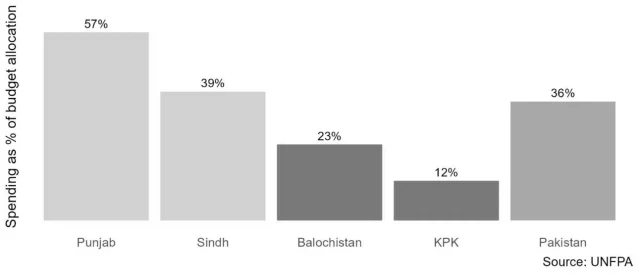
To put the gross neglect in perspective, the government spent $38.6 million on contraceptive procurement1 from 2014 to 2019 – an average of $7.72 million per year. In comparison, USAID invested about $18 million annually from 2010 to 2016 in contraceptive provision under the USAID|DELIVER Project.

After the USAID project ended, subsequent governments failed to maintain stock availability uniformly, diverting two-thirds of the funds planned for contraceptive procurement elsewhere (Figure 3).

This highlights the underlying problem in population planning: most progress made is contingent upon donor efforts, as the government appears to waive the cause in favor of other purposes.

Funds in this country tend to flow towards projects with the highest political returns, and population planning simply does not make the cut.

The provinces of KPK and Balochistan that exhibit higher population growth2 rates than the rest of the country spent the least in this regard, despite having greater reliance3 on public sector provision of reproductive health services.

Both supply and demand side problems are at play here: low prioritization of family planning by the government leaves the provinces with higher unmet need for contraceptives (21% in KPK and 22% in Balochistan, compared to 16% in Punjab and 18% in Sindh as of 2018), while cultural norms and remoteness of areas limit access to facilities.

Desired fertility (the number of children an individual or couple wants) remains high; UNFPA4 finds that most couples initiate family planning after the third or fourth child.

Demand creation for reproductive health services remains a significant challenge as social norms and geographical isolation create hurdles for service delivery teams, particularly those engaged in door-to-door outreach. This calls for robust public awareness and accessibility programmes that encourage and facilitate the use of family planning services.

Figure 3. Funds spent on contraceptive procurement are significantly lower than the allocated budget, especially in Balochistan and KPK.

Low prioritisation of population planning is one issue, but another significant challenge is the inefficiency stemming from its poor integration into the broader economic development strategy.

Population growth is tied to human development, particularly to gender equity and rights. Women who are educated, independent, and have the freedom to make decisions regarding reproduction have lower fertility rates and improved health.

Investment in empowerment and autonomy of women through creation of education, employment, and participation opportunities is imperative for the success of population programmes5.

Public investment in human development avenues remains dismal in Pakistan, and socio-economic factors further limit women’s ability to benefit6 from even these limited opportunities. Education and health expenditure are significantly below regional averages7.

Female literacy stands at 49%, only 27% of women aged 15-49 years are using any family planning method, and only 25% of women participate in the labor force.

Due to lack of employment opportunities, mobility restrictions, workplace insecurity, and a conventional view of gender roles, educated women display lower economic participation – only 25% of women with degrees are working8.

The impact of low public spending is exacerbated by the glaring gender disparity among beneficiaries, resulting in subpar performance on development fronts.

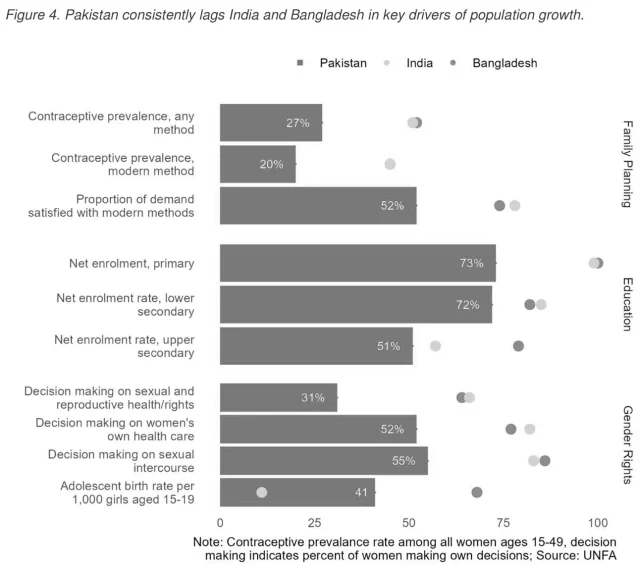
A quick look at human development indicators shows that Pakistan is lagging in education, gender rights, and family planning compared to its regional neighbors.

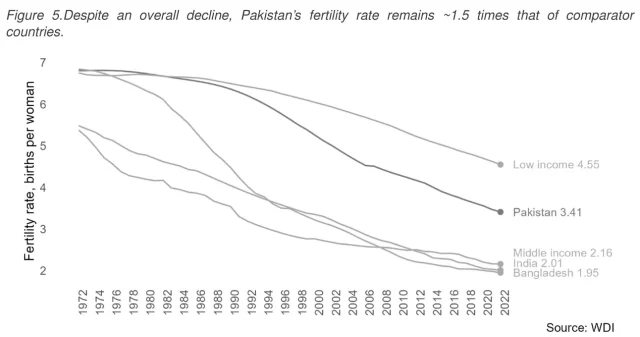
Countries like India and Bangladesh have much higher use of modern contraceptive methods, greater autonomy for women to exercise their reproductive and health rights, and better enrollment rates at all educational levels (Figure 4). It is no surprise, then, that Pakistan’s fertility rate is significantly higher than both India’s and Bangladesh’s (Figure 5).

Figure 4. Pakistan consistently lags India and Bangladesh in key drivers of population growth.

Figure 5. Despite an overall decline, Pakistan’s fertility rate remains ~1.5 times that of comparator countries.


Bangladesh is hailed as an exemplary model of population control, owing to its gender and social transformation. It augmented its family planning program with gender-focused initiatives9 that improved literacy among girls, enhanced access to contraceptives, and dispelled traditionally held reservations regarding family planning.

India, too, brought its fertility rate below the middle-income average through a framework focused on healthcare services and meeting needs, such as the unmet need for contraceptives.

It is important to note that Bangladesh and India did not achieve these results solely on the back of higher spending. In fact, their expenditure proportions are quite similar to Pakistan’s10.

The key difference lies in the integration of human development efforts—particularly gender equity—with population planning, coupled with a visible commitment to both causes. These two are not the only lesson in successful population planning despite having limited resources; Thailand, Rwanda, and Costa Rica also share tales of success11 with three things in common: investment in education and health, increased access to contraceptives, and women’s empowerment.

  1. Landscape Analysis Of Contraceptive Commodity Security In Pakistan, UNFPA (2020)
  2. Population Census 2023, Pakistan Bureau of Statistics
  3. Pakistan Population Situation Analysis 2020 (UNFPA)
  4. Pakistan Population Situation Analysis 2020(UNFPA)
  5. Issue 7: Women Empowerment (UNFPA)
  6. National Report On The Status Of Women In Pakistan, 2023 (NCSW & UN Women)
  7. Economic Survey of Pakistan 2023-24
  8. Policy Brief on Female Labor Force Participation in Pakistan (Asian Development Bank, 2016)
  9. Gender and Social Transformation in Bangladesh, World Bank (2008)
  10. Social spending in South Asia—an overview of government expenditure on health, education and social assistance (UNICEF, 2020)
  11. Population policies that work (Population Matters, 2023)


September 3, 2024

Have We Ditched Manufacturing?
By Shahid Sattar

Amidst a deepening economic crisis, the government seems intent on pushing the economy’s most vital sector—the textile industry—off a cliff.

Instead of confronting real issues, officials are choosing policies that strangle an industry capable of driving economic growth and stability and supporting millions of livelihoods through productive jobs. The slow asphyxiation of textile manufacturing, however, isn’t just a policy failure; it is more and more a deliberate dismantling of the very engine that could power Pakistan’s economic revival. If there is a strategy behind this, it is one that sacrifices long-term growth for short-term survival, with devastating consequences unfolding in real time.

Energy costs, whether for electricity or gas, remain prohibitively high. While the government has removed a substantial portion of the Rs. 240 billion cross-subsidy from industrial power tariffs, Rs. 75-100 billion remain. The economic downturn and escalating grid tariffs have also supressed power demand so much so that around 30% of the power tariff is now comprised of stranded costs, which represent capacity payments for unutilized capacity, as only around half the generation capacity is ever used.

Moreover, the power sector is rife with inefficiencies—high line losses, under collection of billing, outdated and inadequate infrastructure—that further inflate power costs, making industrial grid tariffs around twice the regional average and rendering manufacturing sectors internationally uncompetitive. We estimate that the stranded cost and other inefficiencies account for around 50% of the final consumer tariff and should these be managed correctly power tariffs can be easily brought within the regionally competitive range.  

When government officials are confronted with this issue, however, their scripted response highlights the recent reduction in the cross-subsidy, without ever discussing the inefficiencies nor their economic consequences. This completely misses the point. The question is simply whether Pakistani manufacturers face energy costs at par with their regional competitors—they do not. Until the spectrum of power sector inefficiencies is wholly addressed, industrial growth in Pakistan, particularly in the textile sector, remains a distant reality.

The situation with gas is equally dire. With an unreliable and unaffordable power grid, around 80% the industry that has survived has done so only through gas-fired captive generation. Captive power plants are an integral part of the industrial process as most are high efficiency combined heat and power plants that, in addition to power, provide hot water and steam for use in various applications across manufacturing value chains. Manufacturing export-quality products requires a stable and reliable supply of electricity which the grid, in its present form, cannot provide.

Over the past year, gas/RLNG prices for captive consumers have surged to well over $13/MMBtu. RLNG is being sold at significantly above cost, with explicit overcharging to offset revenue shortfalls from supplying highly subsidized RLNG to the fertilizer sector. Additionally, despite clear ECC directives specifying that RLNG volumes and prices should be ring-fenced for UFG benchmarking, with transmission losses capped at 0.5% and distribution losses based on actual figures, OGRA has failed to establish a UFG benchmark for RLNG. Instead, the excessive UFG standards for natural gas are being applied to RLNG consumers, imposing undue financial burdens.

Adding fuel to the fire, the government has also committed to the IMF that it will cut off captive gas supply by January 2025, without any consideration of the catastrophic economic consequences this will have. Pakistan is already locked into long-term LNG contracts, with the power sector and captive consumers being main off-takers. However, because of various factors including mismanagement and outdated planning methods, the system regularly faces surplus RLNG, which must then be diverted to highly subsidized domestic consumers at a significant cost to the exchequer.

If captive consumers are cut off from the network, this will severely exacerbate the surplus RLNG issue, forcing the surplus to be diverted to domestic consumers, adding to the circular debt which is already at ~Rs. 3 trillion, or to the power sector, forcing deviations from the economic merit order with additional costs passed on to consumers through higher fuel prices. A price-reopener for these contracts is scheduled for next year and this opportunity should be used to significantly reduce the price and volumes of contracted LNG, thereby creating space for a market driven gas system.

Moreover, as acknowledged by power sector officials, there is simply not enough power available in the South to meet the energy demand currently being fulfilled through captive generation. Similar issues plague the North, where several industrial applications for load enhancement have been pending for over three years. And finally, with gas/RLNG priced at over $13/MMBtu for captive consumers, they are the highest-paying customers of SSGC and SNGPL, effectively cross-subsidizing all other consumers. Cutting off gas to captive consumers will financially cripple both Sui companies, with high risk of cascading default across several state-owned entities, which will eventually reach the Government of Pakistan.

In the taxation domain, the Finance Act 2024 has shifted from a 1% fixed tax on export proceeds plus 0.25% export development surcharge to a 1% tax on export proceeds, 0.25% export development surcharge and 1.25% minimum turnover tax, adjustable against a 29% normal income tax and up to 10% super tax. Combined with various other taxes and surcharges, such as the Worker’s Welfare Fund and Worker’s Participation Fund, this results in effective tax rates of up to 135% depending on the original margin for the product.

The textile sector operates on low margins and high volumes. This inexplicable tax burden erodes all profitability, leaving businesses with insufficient capital for operations and investment. This financial strain cannot be passed on to international customers, who are already wary due to high operational costs. Low regional tax rates for competitor firms further disadvantage Pakistan’s exporters, inevitably leading to a loss of both business and FDI to more favourable economies.

Similarly, the withdrawal of zero-rating on local supplies for export manufacturing under the EFS has further harmed domestic manufacturers. Exporters are finding it increasingly cost-effective to import duty-free and sales tax-free raw materials and inputs instead of sourcing domestically. This has had a devastating impact on local producers of upstream products, with imports of cotton yarn, for instance, rising from ~2 million KG in July 2023 to over 15 million KG in July 2024. Procuring the same domestically, already uncompetitive due to high energy and operational costs, now entails paying 18% sales tax and waiting months for a refund—when and if it is processed—incurring an opportunity cost of at least 20% per annum. Over 40% of domestic yarn production has shut down as a result, with similar trends across other sub-sectors of the textile industry. This has severe implications for employment, government revenue, and external sector stability.

Simultaneously, the incomprehensible SRO 350 remains in force, despite explicit instructions from the Prime Minister to suspend it until it is made workable for all stakeholders involved. The new requirement of linking the entire supply chain to file sales tax returns has created chaos, where firms across the country are unable to file their returns within the deadline. Input tax claims of the buyer are restricted based on the seller’s timely filing of their returns, even when the buyer has paid the full amount, including sales tax, to the seller. Buyers are being penalized for circumstances beyond their control, and are forced to pay additional taxes and penalties, which are otherwise not their liability. The rule has a cascading effect: when a buyer is unable to file their return due to the above situation, their customers are also unable to claim input sales tax, leading to a widespread inability to file returns.

The list of issues is endless—one could write many books on it, and many have been written. But the critical question remains: why is nothing being done despite mountains of research, countless committees, and numerous reports? No one in the government or bureaucracy is willing to take responsibility. If every issue is to be blamed on the IMF, why not simply hand them formal control?

For the sake of increasingly expensive foreign loans and rollovers, the government is decimating a sector capable of generating $25 billion annually at current installed capacity, with the potential to expand to $50 billion per year within five years—if only it were supported by a conducive policy environment. Given the multitude of issues decimating Pakistani products’ international competitiveness, if the unintended consequences of an economic shutdown are not understood, then perhaps a swift and decisive end would be less cruel than the slow poison being administered to the industry.

Dragging this process out only prolongs the suffering of millions whose livelihoods depend on a once-thriving sector. The path we’re on leads only to economic collapse, and it’s time for those in power to choose: either commit to genuine reform that allows industry to thrive, or be honest about the fatal trajectory that has been set in motion. Yet, even now, there is hope. With the recent turmoil in Bangladesh, Western decoupling from China, and growing calls for sourcing diversification amidst heightened GVC risks, Pakistan is well-placed to capitalize on these opportunities if market distortions are addressed and manufacturing is made financially viable again; but the window of opportunity is already closing fast.


020728162d453a4.webp

September 2, 2024

Amidst a deepening economic crisis, the government seems intent on pushing the economy’s most vital sector—the textile industry—off a cliff. Instead of confronting real issues, officials are choosing policies that strangle an industry capable of driving economic growth and stability and supporting millions of livelihoods through productive jobs.

The slow asphyxiation of textile manufacturing, however, isn’t just a policy failure; it is more and more a deliberate dismantling of the very engine that could power Pakistan’s economic revival. If there is a strategy behind this, it is one that sacrifices long-term growth for short-term survival, with devastating consequences unfolding in real time.

Energy costs, whether for electricity or gas, remain prohibitively high. While the government has removed a substantial portion of the Rs 240 billion cross-subsidy from industrial power tariffs, Rs 75-100 billion remain. The economic downturn and escalating grid tariffs have also suppressed power demand so much so that around 30% of the power tariff is now comprised of stranded costs, which represent capacity payments for unutilized capacity, as only around half the generation capacity is ever used.

Moreover, the power sector is rife with inefficiencies—high line losses, under-collection of billing, outdated and inadequate infrastructure—that further inflate power costs, making industrial grid tariffs around twice the regional average and rendering manufacturing sectors internationally uncompetitive. We estimate that the stranded cost and other inefficiencies account for around 50% of the final consumer tariff and should these be managed correctly power tariffs can be easily brought within the regionally competitive range.

When government officials are confronted with this issue, however, their scripted response highlights the recent reduction in the cross-subsidy, without ever discussing the inefficiencies nor their economic consequences. This completely misses the point.

The question is simply whether Pakistani manufacturers face energy costs at par with their regional competitors—they do not. Until the spectrum of power sector inefficiencies is wholly addressed, industrial growth in Pakistan, particularly in the textile sector, remains a distant reality.

The situation with gas is equally dire. With an unreliable and unaffordable power grid, around 80% the industry that has survived has done so only through gas-fired captive generation. Captive power plants are an integral part of the industrial process as most are high efficiency combined heat and power plants that, in addition to power, provide hot water and steam for use in various applications across manufacturing value chains. Manufacturing export-quality products requires a stable and reliable supply of electricity which the grid, in its present form, cannot provide.

Over the past year, gas/RLNG prices for captive consumers have surged to well over $13/MMBtu. RLNG is being sold at significantly above cost, with explicit overcharging to offset revenue shortfalls from supplying highly subsidized RLNG to the fertilizer sector.

Additionally, despite clear ECC directives specifying that RLNG volumes and prices should be ring-fenced for UFG benchmarking, with transmission losses capped at 0.5% and distribution losses based on actual figures, OGRA has failed to establish a UFG benchmark for RLNG. Instead, the excessive UFG standards for natural gas are being applied to RLNG consumers, imposing undue financial burdens.

Adding fuel to the fire, the government has also committed to the IMF that it will cut off captive gas supply by January 2025, without any consideration of the catastrophic economic consequences this will have. Pakistan is already locked into long-term LNG contracts, with the power sector and captive consumers being main off-takers.

However, because of various factors, including mismanagement and outdated planning methods, the system regularly faces surplus RLNG, which must then be diverted to highly subsidised domestic consumers at a significant cost to the exchequer.

If captive consumers are cut off from the network, this will severely exacerbate the surplus RLNG issue, forcing the surplus to be diverted to domestic consumers, adding to the circular debt which is already at ~Rs 3 trillion, or to the power sector, forcing deviations from the economic merit order with additional costs passed on to consumers through higher fuel prices. A price-reopener for these contracts is scheduled for next year and this opportunity should be used to significantly reduce the price and volumes of contracted LNG, thereby creating space for a market-driven gas system.

Moreover, as acknowledged by power sector officials, there is simply not enough power available in the South to meet the energy demand currently being fulfilled through captive generation. Similar issues plague the North, where several industrial applications for load enhancement have been pending for over three years.

And finally, with gas/RLNG priced at over $13/MMBtu for captive consumers, they are the highest-paying customers of SSGC and SNGPL, effectively cross-subsidizing all other consumers. Cutting off gas to captive consumers will financially cripple both Sui companies, with high risk of cascading default across several state-owned entities, which will eventually reach the Government of Pakistan.

In the taxation domain, the Finance Act 2024 has shifted from a 1% fixed tax on export proceeds plus 0.25% export development surcharge to a 1% tax on export proceeds, 0.25% export development surcharge and 1.25% minimum turnover tax, adjustable against a 29% normal income tax and up to 10% super tax. Combined with various other taxes and surcharges such as the Worker’s Welfare Fund and Worker’s Participation Fund this step results in effective tax rates of up to 135% depending on the original margin for the product.

The textile sector operates on low margins and high volumes. This inexplicable tax burden erodes all profitability, leaving businesses with insufficient capital for operations and investment. This financial strain cannot be passed on to international customers, who are already wary due to high operational costs. Low regional tax rates for competitor firms further disadvantage Pakistan’s exporters, inevitably leading to a loss of both business and FDI to more favourable economies.

Similarly, the withdrawal of zero-rating on local supplies for export manufacturing under the EFS has further harmed domestic manufacturers. Exporters are finding it increasingly cost-effective to import duty-free and sales tax-free raw materials and inputs instead of sourcing domestically.

This has had a devastating impact on local producers of upstream products, with imports of cotton yarn, for instance, rising from ~2 million KG in July 2023 to over 15 million KG in July 2024. Procuring the same domestically, already uncompetitive due to high energy and operational costs, now entails paying 18% sales tax and waiting months for a refund—when and if it is processed—incurring an opportunity cost of at least 20% per annum. Over 40% of domestic yarn production has shut down as a result, with similar trends across other sub-sectors of the textile industry. This has severe implications for employment, government revenue, and external sector stability.

Simultaneously, the incomprehensible SRO 350 remains in force, despite explicit instructions from the Prime Minister to suspend it until it is made workable for all stakeholders involved. The new requirement of linking the entire supply chain to file sales tax returns has created chaos, where firms across the country are unable to file their returns within the deadline.

Input tax claims of the buyer are restricted based on the seller’s timely filing of their returns, even when the buyer has paid the full amount, including sales tax, to the seller. Buyers are being penalized for circumstances beyond their control, and are forced to pay additional taxes and penalties, which are otherwise not their liability. The rule has a cascading effect: when a buyer is unable to file their return due to the above situation, their customers are also unable to claim input sales tax, leading to a widespread inability to file returns.

For the sake of increasingly expensive foreign loans and rollovers, the government is decimating a sector capable of generating $25 billion annually at current installed capacity, with the potential to expand to $50 billion per year within five years—if only it were supported by a conducive policy environment.

Given the multitude of issues decimating Pakistani products’ international competitiveness, if the unintended consequences of an economic shutdown are not understood, then perhaps a swift and decisive end would be less cruel than the slow poison being administered to the industry.

Dragging this process out only prolongs the suffering of millions whose livelihoods depend on a once-thriving sector. The path we’re on leads only to economic collapse, and it’s time for those in power to choose: either commit to genuine reform that allows industry to thrive, or be honest about the fatal trajectory that has been set in motion.

Yet, even now, there is hope. With the recent turmoil in Bangladesh, Western decoupling from China, and growing calls for sourcing diversification amidst heightened GVC risks, Pakistan is well placed to capitalize on these opportunities if market distortions are addressed and manufacturing is made financially viable again; but the window of opportunity is already closing fast.


LOCATIONS

Where We Are


GET IN TOUCH

Follow Our Activity


IslamabadKarachiLahore