cotton-g883d2d7ce_1920-1280x853.jpg

October 22, 2021

Shahid Sattar, Dr Javed Hassan and Eman Ahmed

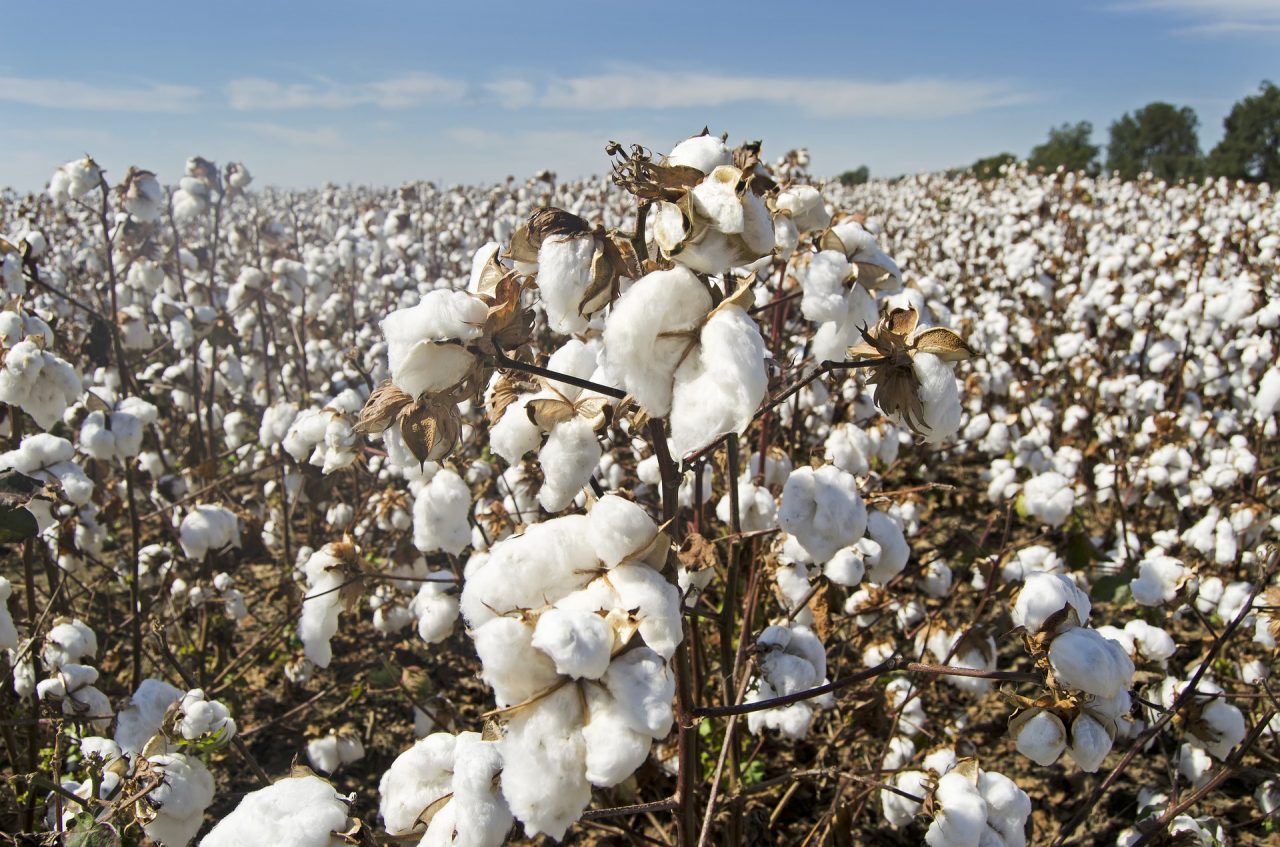
Cotton, once acknowledged as the lifeline of Pakistan’s farmers and a source of raw material to more than 400 textile companies, hit an all-time low last year in production and is bordering on disaster. Over the last 10 years, cotton production has declined by more than 62 percent from 14.81 million bales to 5.65 million bales (2020/21 season) and as a result Pakistan’s textile sector and economy have suffered considerable losses. This decline in production has forced the entire value chain to rely on imported cotton which is highly unsustainable for the industry. Meeting this shortfall has cost 5.76 billion dollars (from FY16 to FY20) in importing 19.5 million bales to meet the demands of the domestic textile industry. In FY21, $1.5 billion cotton imports were required, thereby putting additional unnecessary stress on the Balance of Payments (BoP).

Fortunately, this year the international prices for cotton have increased from a low of 60 cents to over $1 per pound at present. The crop this season is also estimated to reach over 9 million bales, whereas last year’s production was under 6 million bales. The amount disbursed as crop value to cotton farmers last year was Rs 200 billion, while this year, as a consequence of higher prices and higher expected crop size, the amount will exceed Rs 600 billion. The rural economy, particularly the poorer segments will be beneficiaries of this welcome development. The additional Rs 400 billion to cotton areas augurs well for Pakistan, as it will foster an economic boom in these relatively backward areas and revitalize the future of cotton cropping.

APTMA (All Pakistan Textile Mills Association) is taking steps to improve the cotton sector’s performance through the APTMA Cotton Foundation (ACF). ACF has taken initiative to create cotton clusters and centers of excellence, and promote model farming techniques. The foundation, as part of a comprehensive strategy, will also develop a bank for mechanized tools to be made available to members of each cluster, on a cost-sharing basis, thereby improving the quality and yield of cotton. The foundation is also geared towards providing a platform for collective procurement of quality inputs at lower costs, creating economies of scale. There will be means of further assisting farmers to obtain financial aid. Technological support through digital mapping and drones will provide a targeted approach to fertilizer and pesticide use and take cotton farming into a new, technologically driven era.

There is a pressing need to facilitate research on development of cotton seed, as the current cotton seed available is low yield and with poor characteristics. It is vital to develop high yielding varieties with superior lint characteristics using germplasm with a wide genetic base. The existing germplasm becomes susceptible to many insects/pests and has failed to perform under weather variation. Due to low cotton yield per acre and low international prices, farmers have preferred more profitable crops such as sugarcane, rice, and corn. These alternative crops provided better returns to farmers and are also more resistant to insect attack and diseases than cotton. For crops such as maize and rice, the seed varieties developed by the private sector have high yield potential, which is why over the last decade, cultivated area under Basmati and Maize has doubled and yield has increased significantly. To keep up, the development of research centers of excellence that are geared towards cotton enhancement can help to educate farmers on how cotton can be a more viable option for them. The Cotton Foundation is dedicated to establishing knowledge centers and research labs, particularly biotech labs, while collaborating with international research institutions. The labs will collect data from all over Pakistan to maintain a database, allowing us to devise data-driven solutions to cotton issues. Research centers will educate farmers for post-harvest. Moreover, education and training campaigns will be run throughout the year to keep the farmers up-to-date on every aspect of cotton cultivation.

The growth of value-added exports in FY21 (37% growth in knitwear, 32% in towel, 29% in bed wear, 19% in garments) is evidenced by enhanced cotton yarn supply to the domestic market. Yet, prioritization of the sugar industry has led to the replacement of cotton as Pakistan’s dominant crop, costing Pakistan an additional 10 billion dollars in the last 5 years. The area ‘encroached’ upon by sugar would be far more fruitful with cotton cultivation, adding an additional 0.25 percent to Pakistan’s GDP along with a minimum 1.27 percent of additional wheat contribution to GDP, if a mere half of the sugarcane production area reverts to cotton.

To allow a fair competition among crops, the government must refrain from interfering in the free market. Large subsidies, price support, and high tariffs on sugar imports must be done away with. If the government takes any measures that result in an artificial reduction of yarn prices, imports of cotton will be discouraged and lead to a real shortage of cotton and yarn. It is crucial to raise awareness on the importance of cotton initiatives for the revival of cotton in the country. Modern and mechanized cotton farming, the establishment of fiber testing laboratories, as well as seed testing and biotechnology labs of international standards will determine the future productivity of the textile sector, and resultantly the economic growth of Pakistan. APTMA Cotton Foundation (ACF) presents a model farming concept that aims to revitalize cotton cultivation.


Pakistan-textile-Sector-1068x561-1.jpg

October 22, 2021

According to Dr. Gohar Ejaz, Chief Executive of Ejaz Group Of Companies, Pakistan’s textile exports seem to have largely recovered from the Covid-19 pandemic shocks and are still growing. Further good news is that the industry is well on its way to achieving textile exports of $21 billion for FY22, based on the assumption that government policies will remain supportive of the industry and can help stabilize the economy as well.

n recent times, the textile industry has made notable progress and yielded spectacular results, particularly following a sharp rise in investment from industrialists. Further good news is that the industry is well on its way to achieving textile exports of $21 billion for FY22, based on the assumption that government policies will remain supportive of the industry. At this pace, sustained yearly growth of over 25% is possible.

However, the coming year presents a unique set of challenges, particularly in the cotton sector. These challenges are attributed to the uncertainty in the cotton market as well as currency markets. Furthermore, while the global textile market is worth around $800 billion, Pakistan is still a very small player with only about 1.7% market share in 2020, which signifies ample room for expansion and diversification.

The increase in the rate of cotton and resultantly higher prices of cotton yarn may be a cause for concern in the industry. The cotton price in the world market has currently reached over $1 per pound, a high that was last noted way back in 2010-11. When this happened in FY11, the downstream industry proposed a quota on exports and regulatory duty on yarn exports, which was not imposed in favor of allowing a free-market mechanism to take precedence.

With raw cotton prices reaching $1 per pound for the second time in the last 100 years, there has again been talking of a regulatory duty to be imposed on yarn exports, but those in favor clearly do not understand the workings and importance of a free market mechanism. The government must continue to abstain from such quotas and regulatory duties as they can have adverse effects and distort market operations.

It is not viable to purchase cotton at import substitution from the local market and sell it at 10 percent below export parity price. It is also of critical importance to look after the wellbeing of our farmers, who had been facing massive losses for the last 5 years and are now finally earning profits. The downstream industry must not be subsidized, as any policy which puts farmers at a disadvantage cannot be supported.

The current environment being conducive to farmers has resulted in an expected 50 percent higher cotton production from last year, amounting to roughly 9 million bales. While Rs. 200 billion was disbursed as crop value to cotton farmers last year, the higher prices and higher expected crop size this year are expected to take the value up to Rs. 600 billion. Farmers will thereby reap the benefits of an additional Rs. 400 billion. Allowing the market to operate freely will leave farmers in an even better position to sow cotton next year, reaping positive results for the first time since the 2010 cycle, and leading to economic growth.

APTMA and all textile industries are to pay international parity prices to domestic farmers and to stand firmly with them against any segment of the value chain that demands duty as it will negatively impact their profits. The Association is also taking steps to improve the cotton sector’s performance through the APTMA Cotton Foundation (ACF). ACF has taken initiative to create cotton clusters and centers of excellence, and promote model farming techniques.

The country’s domestic supply of cotton is being fully utilized, with some 84% of our apparel exports coming from cotton. Meanwhile, the rising demand for high-performance apparel such as athletic wear shows that synthetic fiber is a booming market. Competing in this market will require more technological sophistication than producing apparel from traditional fibers. While other textile-led economies in South Asia have diversified their export baskets and increased the proportion of high-value-added products, Pakistan is playing catch-up. It is hoped that new investment continues to come in, which will be instrumental for upgrading the industry’s technology to capture a higher share in the synthetic fiber market.

When it comes to the currency pressure in recent times, we can largely attribute it to the previous unavailability of new investment, which led to deindustrialization. While Pakistan’sLarge Scale Manufacturing sector had been witnessing an upturn over the past year, this LSM growth seems to be slowing down once again. (Figure 1).

However, when it comes to individual LSM sectors, it is evident that the role of the textile sector is of primary importance, accounting for over 60 percent of all exports. This necessitates consistent support and investment in the sector to achieve economic growth for Pakistan. The textile industry has now invested $5 billion in 100 new units of the value-added sector, gearing up to boost textile exports by a further $5 billion.

Read more: Textile Industry: 100 mills to open as Govt allows subsidy

Achieving the set goals 

The industry is on track to achieve the target of $21 billion in textile exports as long as the government continues to ensure the availability of energy at regionally competitive prices i.e., gas/RLNG at $ 6.5/MMBtu and electricity at 7.5 cents/kWh. A long-term textile policy incorporating regionally competitive energy tariffs would spur investment and take exports to much greater heights.

A large proportion of expansion is already underway and is considered a direct result of the government’s regionally competitive energy pricing policy. With this evident correlation between energy tariffs and the country’s investments and exports, it cannot be emphasized enough that the continuation of this policy is essential to maintain the momentum gained so far. Pakistan can further improve its competitiveness by upgrading its technology, which is now increasingly possible given the recent growth in the industry and economy.

Read more: Non-Textile exports: Pakistani industry coming back to life?

Furthermore, diversification can be enhanced by directing more investment towards technological upgradation, refining the sector’s position in the apparel value chain and redesigning import duty suspension and refund programs for exporters. By maintaining value addition, with a consistent supply of competitive inputs and supportive policy, the textile sector can continue to succeed in its crucial role of spearheading economic growth.


dollar-rate-g3587dbd9e_1920-1280x905.jpg

December 24, 2019

Shahid Sattar and Emaan Ahmed
“Business Recorder”
December 24, 2019
Pakistan is unique in many ways and possesses many attributes which should have made it an economic and political powerhouse. We possess immense potential in terms of natural resources, a budding youth population with potential to form an energetic workforce, high quality educational institutes, a highly venerated and nuclear-armed military and a long-standing bureaucracy.
However, the country has failed to capitalize on these capacities and has thus been left far behind its Asian brethren, who just a decade or so ago were at par with it in terms of development. Samuel Huntington in 1993 alluded to Pakistan’s immense potential to project itself as a “natural leader of the Islamic world.” However, we have yet to take off from the starting block in the economic race.
A serious effort was undertaken by the Planning Commission of Pakistan in 2011 to identify why this is so, and these findings from the crux of Pakistan: Framework for Economic Growth (FEG).
Pakistan is now on the brink of the third decade of the 21st century, along with its 8th decade of existence, so it is reasonable to try to assess its standing with respect to economic challenges of decades past and how they have been countered. The FEG outlines a number of crucial economic challenges, and proposes effective strategies for each of them. Although each policy recommendation warrants individual attention, and each aspect of the economy deserves a detailed appraisal, the purpose of this analysis is to provide a holistic overview of the economy with respect to its standpoint a decade ago.
The first challenge identified was a long drawn-out struggle in terms of macroeconomic stabilization; a result of unsustainable policies. During the year of publication of the report, Pakistan’s real GDP had grown by 3.7 percent, as compared with 3.0 percent in FY11. However, the economy underperformed compared with the growth target of 4.2 percent, given the energy shortages, security concerns, and floods in two consecutive years.
Nevertheless, growth was more broad-based compared to FY11, evenly distributed across agriculture, industry and the services sector. On the other hand, investment remained sluggish.
Fast forward to the dawn of a new decade and a look back at a comprehensive growth strategy formulated for Pakistan. In 2018, Pakistan’s economic growth was accelerating but at the cost of widening macroeconomic imbalances – outlining a structural fault in the means of achieving economic growth. The purpose of the 2011 strategy, reiterated multiple times in the report, was to focus on medium to long-term sustainable growth. Yet the means employed in FY19 have primarily revolved around high interest rates, double digit inflation, deterioration of primary and fiscal deficits, continuous private sector losses, cutbacks in investments, large scale unemployment and losses in consumer purchasing power. These can be considered to fall under the unsustainable policies that the report warned against. The graph below shows a decline in real GDP, with the most recent high being 5.83% and the 2019 figure amounting to 3.34%.
A recent assessment of credit ratings by Moody’s Investors Service deems Pakistan’s economic wellbeing to be on the rise, re-categorized from negative to stable, and thus on the road to recovery. Yet this stability is highly conditional upon certain factors, such as a high interest rate, which implies a compromise on long-term economic growth and a drop in investments. Textiles account for the bulk of the country’s exports, and low investment levels are likely to hinder the march towards much needed
rapid growth in exports. With the resulting lack of upgraded technology, our exports and trade deficit will remain bleak in comparison with regional players. There also remains unutilized capacity for immediate expansion in the textile industry, and a policy of rapid growth in exports for economic stabilization can only be applied once the interest rate is suitably set with an aim to facilitate investment.
Apart from high interest rates, there is the issue of double digit inflation which policies aim to target. The hampered process of job creation, low investments, low exports and high imports all are causes as well as outcomes of economic instability.
As pointed out in the FEG, we have historically under-traded with our neighbours and not adopted an appropriate geopolitical approach given our strategic location in South-East Asia. Economic progress has been further hampered by a low level of productive diversification and a weak value-added industry. The country’s position in world trade has barely changed over the past four decades, and has in fact declined recently, despite numerous opportunities to expand exports, particularly manufactured goods, in developed countries.
It’s almost as if the roadmap to economic growth has been read upside down. If the level of trade as a percentage of GDP seemed alarmingly low in 2011, it is lower now, having fallen from about 33% in 2011 to 28% in 2018, following a period of being largely stagnant with and then declining post-2015.
The trajectory of economic policymaking and the ways in which it tends to be unsustainable brings us to another challenge outlined in the FEG, in the form of a legacy of economic distortions. The FEG defines competitive markets as the “starting point towards increasing efficiency and sustained economic growth.” However, Pakistan has faced economic distortions hindering market competition, with the added pressure of high government intervention in business. The role played by the public sector has thus been considered too great, to the extent where it impedes market development. This was the case in 2011, and it is very much still the case today. Government intervention can be quantified by expressing public spending as a proportion of total GDP (Gross Domestic Product). In 2011, this was around 9% and it now stands at roughly 12%. (World Bank).
One effective means of stimulating economic stability and growth is an industrial policy which provides support to exports. Pakistan’s textile exports are currently valued at USD 13.5 billion out of the total exports (23.5 billion), but still account for a very minimal share of 1.7% in the world market for textiles. If we achieve the figure of USD 30 billion in textile exports, we will only have captured only 3% of the market for textiles. For reference, the total trade in textiles as of last year was worth USD 800 billion, so this is not an unrealistic target.
Another factor stifling our intended increase in market share is the illogical level of anti-dumping as well as other duties, rendering the local MMF-based apparel uncompetitive in the world market. Pakistan’s exports should be able to compete in world trade, which is now 70% MMF-dominated. Restricting exports to 30% of the cotton trade is a completely irrational model.
Private sector proliferation can be instrumental in achieving economic growth, as has been the case with Vietnam, a formidable regional competitor which has achieved milestone levels of growth in a short time by giving its textile sector space to flourish through private sector growth and investment. A 2017 resolution in Vietnam allowed for the private sector to be the driving force of Vietnam’s market economy. Given that private businesses experienced volatile growth in Vietnam in the past, this has been a highly effective strategy. Pakistan can achieve similar levels of rapid expansion by following a model of private sector growth and reduced government intervention, so that the textile sector not only attracts higher investments, but is also better equipped to take on the international market. This calls for international market-based pricing for all inputs, notably cotton and energy, in the textile chain.
The FEG also emphasizes pressures of demography. We have a rapidly growing population as well as a youth bulge to address. A large youth component is a very positive aspect, as younger populations have the most potential in terms of innovation, fresh ideas, productivity and entrepreneurship.
With increasing youth comes a greater need to develop our education system, create valuable opportunities for employment, encourage social cohesion and collaboration, and effectively train the youth so that we can unlock their full potential in leading the way to sustainable human development.
Recent developments in the form of the Kamyab Jawaan programme address the youth entrepreneurship factor appropriately. It has reserved a 25% quota for women and also accommodates the transgender community, ensuring the involvement of marginalized and deprived societal groups, and showing progressive thinking in the field of sustainable development.
However, factors which are yet to be structurally addressed include education and industrial employment for youth. Pakistan’s expenditure on education was merely 2.4 percent of the GDP in the fiscal year 2018-2019, whereas neighbouring India allocated 4.6 percent, particularly announcing a 10% increase in the education budget for the year.
Globalization, technological advancements and the development of key industries have created new job opportunities for young people across the globe, while our growing population is continually met with scant opportunities and hampered living conditions. Gone are the days when the state could even think of providing lifelong careers, given the changing economic dynamics of the world. The resulting phenomenon of “brain drain” is defined in the FEG as a loss of high skilled human capital, which is better off migrating to the developed world as there is a dearth of opportunities in Pakistan. We urgently need a policy to retain our educated and skilled youth, with a focus on encouraging entrepreneurial initiatives by fresh graduates.
A majority of the human capital that remains in Pakistan comprises low to medium skilled labor. The largest employer of the country is the textile sector, which accounts for countless jobs at every stage of the textile production process. There exists an array of opportunities where small units of garmenting factories can spring up and capture market share while creating much needed jobs for youth. A small increase in garmenting units can result in an exponential increase in employment, particularly for the unskilled youth that makes up a large proportion of our demography.
Furthermore, skilled workers can be of immense value in ensuring that Pakistan’s textile sector captures the maximum market share globally and achieves a competitive edge. Human resource development must be prioritized, with a specific focus on textile specialization and targeted programs by institutes such as the National Textile University, which can appropriately equip graduates with the initiative to start up their own businesses. Small firms take up minimal capacity and result in higher returns for the economy at large in the form of substantial job creation. These startups can possibly be state-sponsored in order to target rapid employment generation and rapid growth in exports.
There is no other industry or service sector with existing immense potential that the textile sector has to benefit the economy, with a direct impact on foreign currency earnings and new job creation. If synergy is developed amongst different sub sectors and a particular focus is lent to the garmenting industry, economic growth can achieve record heights, as has been the case in the flourishing industries of Vietnam and Bangladesh.
As shown below, Pakistan will have almost 200 million additional people to contend with in 80 years. With a focus on education and creation of job opportunities for youth, these statistics can possibly translate into high productivity and a competitive advantage, rather than a deteriorating standard of living due to scant opportunities and resources.
The FEG sheds light on impacts of external events, including terrorism, political instability and conflicts up until 2011.
It is comforting to see that the wave of terrorism has declined since 2009, as result of military operations conducted by the Pakistan Army. According to South Asian Terrorism Portal Index (SATP), terrorism in Pakistan has declined by 89% in 2017 since its peak years in 2009. Furthermore, action against corruption has been on the rise, and accountability is being given the crucial importance it deserves.
External events and conflicts since the publication of the FEG have included sectarian violence, and clashes with India, particularly in 2019 following unrest in Indian-controlled Kashmir. Such events have a tendency to disrupt economic progress, as priorities need to be reassessed in such cases. An overview of these factors shows that the constraints to economic growth outlined a decade ago still hold true today. The FEG emphasized that the problems in Pakistan related more to software than hardware i.e. there is more hindrance in terms of management and productivity than physical infrastructure. While progress in economic stability and youth engagement is laudable, there remains a need to tackle economic distortions and to formulate effective policies for economic sustainability. This requires a specific focus on supplementing the textile sector’s role in maximizing exports, along with greater efforts to empower, educate and harness the potential of our youth, to encourage investment in human capital and to develop a system whereby external shocks and political instability do not hamper economic progress.
(https://www.brecorder.com/2019/12/24/555974/framework-for-a-sustainable-economic-future/)

cotton-g62458334b_1920-1280x847.jpg

December 17, 2019

Exports: key to sustainable economy
Shahid Sattar, Asad Abbas and Emaan Ahmed
“”
December 17, 2019
It is encouraging to see evidence that Pakistan is on the road to recovery in terms of economic stability and growth. With a26% quantitative increase in textile exports, the first current account surplus in decades amounting to $20 million, and a place among the best performing stock markets in the world, Pakistan seems to be doing surprisingly well. A recent assessment of credit ratings by Moody’s Investors Service reforms these statistics, deeming Pakistan’s economy to be stable and on the road to recovery.
This news is reassuring, given that the incumbent government was met with the task of reviving an economy in tatters, with an unsustainable balance of payments and complications in financing of external obligations.
How did the economy landed in these dire straits in the first place? The faulty consumption-led growth policies, irrational tariff structures, imposition of duties on import of raw materials and artificially set exchange rates are to blame. In addition to all this, the unsustainable mechanism of borrowing beyond our means precipitated an inevitable day of reckoning.
This reckoning revealed itself in the form of a high interest rate, double digit inflation, deterioration of primary and fiscal deficits, continuous private sector losses, cutbacks in investments, large-scale unemployment, losses in consumer purchasing power and a subsequently lower standard of living.
Taking the worrisome state of affairs into account, the strategies employed to revive the economy included floating the exchange rate to a more realistic level, providing regionally competitive energy to major exporting sectors and issuing pending refunds accumulated under previous governments. These initiatives all played a significant role in spearheading the stability we see today.
This stability has not been attained without a price, and given that we are now at a much better vantage point, there is a need to steer towards a sustainable growth strategy primarily based on exports. This is a crucial step in quelling future dependency on loans.
Progress, particularly in terms of necessary expansion and development, is likely to be difficult if the aftershocks of the recent imbalances in our economy are not systematically addressed. The oft-repeated mantra that the export sector has not shown the desired growth despite the reduced cost of doing business blatantly disregards the root cause.
The aftershocks are broadly two-fold: quantitative and qualitative.
An assessment of quantitative impediments to the textile sector becoming regionally competitive highlights certain urgent causes for concern, along the lines of inhibitory energy tariffs, a renewed set of zero-rating woes, avoidance of crucial refunding and forced duties on cotton imports – all of which inhibit the urgent need to restore a sustainable Balance of Payments and to curtail the dependence on external funding.
Although the Ministry of Energy’s efforts to aid industrialists should not be dismissed, the elephant in the room is yet to be addressed: a sustainable energy tariff for industries. The 25 percent increase in electricity tariffs as a quarterly adjustment coupled with further add-ons is likely to be debilitating. Despite notifications clearly stating that an all-inclusive tariff will be implemented, these developments
will not only shatter confidence in government policies but will also seriously hamper viability. Furthermore, the energy rates have to be fixed for a minimum period of 5 years so that investments in expansion and modernization can be planned and executed.
The withdrawal of zero rating has resulted in the constriction of investible capital in the market, while the cost of borrowing to meet such capital demands has also significantly risen, giving investors little to no incentive to carry on their business activities. Profit margins in the industry are currently around 5-6 percent at most, whereas the funds blocked in GST are of the order of 12 percent of sales, leading to the current liquidity crisis.
As a consequence, there is a dire need to sensitize the FBR regarding its delayed provision of refunds on income and sales tax over the last couple of years. A sum of Rs.100 billion has been collected over a period of five months as sales tax from the textile sector and is yet to be refunded, while the payments for the technological upgradation scheme 2009-14 is also pending. The majority of these refund applications are rejected by the system due to Form-H and unannounced boundaries for acceptance in the FASTER system. Moreover, those applicants whose sales tax returns and forms have been accepted are not being refunded within the stipulated time of 72 hours.
Collectively, these factors give way to lowered market confidence among the industry and a reluctance to subscribe to these subsidized loan schemes in the future. Meanwhile, there are factors such as fully utilized capacities of textile mills, and order books that are overflowing with unmet requirements. Many of our exporters have decided to close their production lines due to a lack of sufficient funds to run these lines feasibly, rendering the opportunities created for an increase in market share unattainable.
Another quantitative impediment to the thriving of our textile sector is the much decreased volume of cotton crop. The current cotton arrival estimates fall far short of what is needed to fulfil domestic requirements of the textile industry, and these shortages force the entire value chain to rely on imported cotton, resulting in further inefficiencies in the manufacturing process. This year alone, the import of a record 6 million cotton bales is required to maintain the previous year’s production and export levels.
This has caused losses worth over Rs 1 trillion to the economy and resulted in the need to import cotton, which is further tainted by a 3 percent customs duty, 2 percent additional customs duty and 5 percent sales tax on its import.
With the increased burden of paying these duties on cotton imports, sustaining competition with giants like China, India, Bangladesh, Vietnam and Sri Lanka becomes an impossible task. It is therefore crucial that these duties be removed if the objective of increasing exports is to be achieved.
This brings us to a qualitative assessment of the inhibiting factors. The cotton crisis is not only stiffing our growth when it comes to numbers, but also due to the deteriorating quality of locally produced cotton. This deterioration can be attributed to seed quality and ginning practices, which are far behind those adopted by other regional players. Most industries have institutionalized advanced scientific methods such as genetically modified seeds and modern ginning practices that have a far higher potential.
Additionally, regional players have acquired more advanced machinery that is cutting edge and has immense potential to maximize productivity at lower costs, while Pakistan’s investment in technical machinery has dropped to the dismal level of 44 percent of what it was in 2005-2006. Investment in technology showed only a 1 percent improvement, whereas regional competitors achieved impressive increases from 2006 to 2015.
================================================================= Investment in Technology (2006-15) ================================================================= Countries Spindles % Change Shuttle Less % Change (Mins) Looms (000) ================================================================= China 55.7 63% 465 78% India 25 28% 78.6 13% Bangladesh 4.29 5% 42.9 7% Pakistan 2.95 3% 7.3 1% ================================================================= Total 88 100% 594 100% =================================================================
Technology upgradation programmes that boost capacity and modernization are essential if we wish to globally competitive. The government support in the form of tax incentives is to be a crucial factor in attracting investments in this regard. Such incentives are widely available to our competitors like Vietnam, China, India and Bangladesh.
Other qualitative factors which need to be considered include a global shift in consumer preferences, from cotton-based apparel to synthetic manmade fibers. In the world market, the consumption of MMF against cotton has tilted to a ratio of 70:30, whereas a decade ago it was quite the opposite. Presently, the most dominantly consumed man-made fabric is polyester. Meanwhile, polyester is heavily taxed at the input stage in efforts to protect the Lotte Purified Terephthalic Acid (PTA) plant. This plant is still running on outdated technology which is no longer used in the manufacture of PTA anywhere in the world, bringing us back to the crucial matter of technological upgradation and how the lack thereof can prove to be disastrous.
Given the importance of considering consumer preferences in an industry like textiles, the protection given to Lotte needs to be reduced to an appropriate level, and the duty on MMF yarn needs to be adjusted to provide incentive for the domestic MMF industry to thrive and fulfill industry requirements. A flourishing MMF industry has the potential to play a crucial role in enabling Pakistan to compete internationally, and would prevent job losses for over 100,000 people.
The amalgam of these unresolved issues is resulting in immense pressure for the textile industry to remain competitive, and this by default will have grave consequences for our economy. There is an undeniable need for a broader long-term policy that ensures investors’ confidence and provides them with a business and investment friendly environment, in order to actualize the goal of export-led growth in the foreseeable future.


Capture.jpg

December 12, 2019

High interest rates, low investments
Shahid Sattar and Emaan Ahmed
“”
December 12, 2019
Sustainable technology and Industry 4.0-enabled technologies, most recently presented at the ITMA 2019 in Barcelona, Spain, are taking the global textile industry by storm. The tech world is rapidly moving forward and R&D in textile machinery continues to make remarkable leaps which, once availed, would prove to be instrumental for Pakistan, given the large share of exports associated with its textile sector. Yet somehow our textile machinery continues to be stagnant at the level of primary level equipment and outdated looms, coupled with the alarming decline in machinery imports.
To textile industrialists’ dismay, the crucial need for machinery upgradation remains unmet, and the fruitful benefits associated with recent technology sadly continue to be a remote prospect for the industry. The Pakistan Bureau of Statistics shows textile machinery imports to have fallen by around $60 million during the fiscal year 2019. The data below depicts a consecutive decline in textile machinery imports since April 2018, and this trend has spilled over into the current year with an 8% drop from the previous period. (Source: Business Recorder, 2019).
It is clear that factors impacting the textile industry have a direct bearing on Pakistan’s economic health, turning textile machinery into an issue of national importance which requires urgent attention. Therefore, the urgent requirement of technological upgradation in the textile industry cannot be emphasized enough, given that textile outputs account for the vast majority of Pakistan’s exports. These outputsare valued at about $13.5 billion, making up for 61% of the country’s total share of exports.
It is essential to consider the structural impediments to textile sector growth if there is any hope of restoring Pakistan’s economic health in the foreseeable future.
The most crucial aspect hindering our textile sector from achieving its true potential is the imbalance in the economy: a direct result of the high level of interest rates. The consecutive hike in interest rates in recent times can be attributed to desperate attempts to counter high inflation, which is yet another matter of contention.
The bar chart below depicts the rising inflation over the last few months.
The strategy of countering high inflation with high interest rates brings to mind the idiom fighting fire with fire, and it is none other than the path to a healthy economy that burns as a result.
An economic formula whereby interest rates are raised for a certain period in order to stabilize the economy can possibly be deemed effective in certain Highly Developed Economies: a title which Pakistan’s economy is a long way off from attaining. HDEs tend to have surplus currency tied up in mortgages or consumer financing. Therefore, it is only logical that such a formula be limited in its application to those economies which are in a similar state, while a policy more suited to developing economies should be used in Pakistan’s case.
Furthermore, high interest rates belie the impression of a stable economy in the short run, while long-term economic health continues to be endangered due to the volatile nature of an economy with an interest rate as high as 13.25%.
The high interest rate and resulting influx of “hot money” into the Pakistan economy has several negative implications for Pakistani industry, and the textile sector is bearing the brunt of the pressure given the expectation to contribute largely to the country’s exports.
Presently, the textile sector has its order books at full capacity, and has managed to identify gaps where there is potential for additional capacity and upgradation, yet filling these gaps is proving to be an elusive task, given the high interest rate. Investments of $3-4 billion have been planned but no endgame is in sight when it comes to their implementation.
Furthermore, high interest rates not only curtail investment, but also make it virtually impossible for the concerned industries to remain profitable. The spike in interest rates has all but put a complete stop to investment, upgradation and technological advancement in various industries.
Subsequently, the low level of investment has worsened the state of affairs, particularly for productive sectors which are now struggling to maintain productivity. The abrupt rise in factory shutdowns and closing of textile businesses are causes for concern.
Furthermore, the cost of doing business increases indefinitely with the rise in interest rate, which also implies hindrances in access to capital, leaving businesses to fend for themselves and struggle to make ends meet with no fallback option. Investors are also less likely to put money into active projects as the high interest rates make these options volatile and high-risk.
All these factors result into a spillover effect with mass downsizing, stifled economic activity and stagnation in GDP growth. Thus, it comes as no surprise that technological advancement is rendered a distant fantasy for an industry facing an economic crisis.
A vicious cycle emerged where policymakers begin to scramble for shortterm solutions to dig their way out of their present misery – only to find themselves in a bigger conundrum in the long run.
Below is a comparison of two graphs depicting interest rates over the last 20 or so years, those in highly developed economies as well as those in Pakistan:
Through a comparative assessment, the Pakistan economy appears to be trapped in the preliminary stages of a crisis not unlike the one faced by East Asian countries in the late 90s, and more recently by Egypt. If history is any indication, there is no easy way out of this grave Pakistan has dug itself into.
The natural tendency for policymakers at this stage seems to be advocating for the maintenance of the prevailing interest rate. This is because lowering it will undoubtedly lead to an abrupt withdrawal of “hot money” funds by investors, who will instantly seek out higher rates of return via other economies. This will translate into short term chaos, owing to the collapse of what appears to be holding up our economy at the surface level.
However, what is truly required is an analysis of the grassroots level implications of lowering the interest rate, and the long term factors which make it essential to do so.
Although the withdrawal of hot money financing will result into a massive short term burden that may appear difficult to fall back from, given the increased pressure on the Rupee and on the foreign exchange reserves that will remain, this reduction is crucial for restoring Pakistan’s economic health.
Due to the resulting decrease in the overall import bill, a lowered interest rate will allow for greater capital investments, eventual job creation and improvements in technology, research and development.
This will have particular advantages for the textile industry, and will be a welcome shift from the prevalent method of concessional financing and the challenges it presents. Given that around 90% of the textile industry consists of indirect exporters, the textile industry operates in a largely fragmented chain structure wherein separate entities exist for each function, be it printing, dyeing, weaving etc. The concessional financing that is set aside for the textile sector can thus not be availed by each of these separate fragments in the textile industry again, and therefore, it is not producing the desired impact.
A more suitable policy needs to be adopted that caters to this issue at the grassroots level. If certain funds are being allocated to the textile industry, it should be in a manner that allows for them to be availed by the entire chain.
A more adaptive financial model and a focus on more productive capital investments, particularly in technology, will have a wide, far-reaching impact that will bear fruits for generations to come. It will allow for a much-needed increase in our presently abysmal level of exports, and will also tackle the increasing burden of unemployment at the root. As we have often heard, good things come to those who wait, and desperate shortcuts towards stability make for long delays.
Therefore, the need for a long-term policy featuring lower interest rates cannot be underestimated. Its implications for a brighter economic future which generates foreign currency, employment and the economic betterment for the people of Pakistan cannot be denied.


cotton-g62458334b_1920-1280x847.jpg

November 30, 2019

Liquidity Crunch Must End for Export Enhancement
Shahid Sattar & Madiha Nisar
Non-payment and delayed refunds accompanied with a complex filing process of refunds are some of challenges that exporters are struggling with. Blocking legitimate refunds by the Federal Board of Revenues (FBR) to show improved revenue collection has taken a heavy toll on exporters who were already reeling under the energy crisis and many other critical issues.
Delays in processing refunds under the outgoing government’s refunds schemes have blocked a substantial amount of 168.4 billion rupees of exporters. As per the estimates, refund over Rs. 15 billion are pending on account of income tax, Rs. 3 billion on account of Drawback of Local Taxes and Levies (DLTL) and a sum of more than Rs. 50 billion on duty drawbacks (DDY).
The current system of revenue targets for individual RTOS is net of any refunds hence In order to meet their net collection targets, regional tax offices (RTOs) adopt a go-slow policy and do not issue refund payment orders (RPOs) on time. They raise petty issues and delay the entry of the claims. The only way out of this dilemma is to assign the targets net of any refunds so that there is no inordinate delay in lodging of claims.
According to the law, refund claims must be cleared within 45 days but the authorities are flaunting the law with impurity. They continue to block payments for years which has damaged the export sector, especially the textile sector.
As a result of the hectic efforts by the industry to compel the government to pay blocked refunds, the former finance minister and advisor to FBR had made promises to pay Rs. 15 billion every month on account of refunds. Only the first installment of Rs. 15 billion was released and the hollow promises remained unfulfilled and hollow.
This illegitimate tactic of the finance ministry and FBR of the outgoing government has caused closure of many businesses while leaving others at the mercy of loan sharks which is slowly but surely killing the manufacturing sector.
According to an estimate, blocking of working capital of export sector has caused a huge loss of almost 500,000 jobs to the economy.
Consequently Pakistan is fast losing its share in the world export to Vietnam and Bangladesh. Pakistan is left with only 0.12 percent share in world total exports. The partial responsibility for this state of affairs is the lack of modernization and up-gradation due to the lack of liquidity/high cost of doing business.
Generally, tax authorities blame exporters for delay in refund for incorrectly filled columns in shipping bills or any mismatch in GST returns. This is because of faulty processes and procedure, with some mistakes committed by exporters. If the tax authorities at the field are ignorant, how can we expect a micro, small and medium enterprise exporter to be conversant with the tax laws, rules and procedures?
The situation can only be improved if the refund mechanism is fully automated. The government should fast-track the refunds process and should release at least 90% of the claimed amount immediately to help small and medium scale exporters tide over liquidity crisis arising out of delay in tax refunds and input tax credits.
It is proposed that each refund shall be lodged and paid within a maximum period of 60 days, failing which the claimant should be entitled to some significant penalty. For any claim that is partially disputed the undisputed amount shall be paid immediately and disputed amounts be settles within 6 months. Refusal to lodge sales tax refund claims should be made a cognizable offence.
To improve liquidity further Indirect exporters as long as they are zero rated should also be entitled to refunds as they supply their goods to exporters. Exempting them from refund claims serves no purpose except increase in cost of doing business. The facilities which are available to exporters, should also be made available to indirect exporters.
Moreover, zero rating is supportive to eliminate tax frauds once and for all as the system of collecting sales tax and then refunding is not only an exercise in futility but involves large number of sales tax personnel and precious time of FBR which can otherwise be utilized to bring more and more persons in the tax net to increase revenue for the FBR. This will serve the double purpose of expanding the tax net as well as exports.


cotton-g62458334b_1920-1280x847.jpg

November 30, 2019

Interest rate hike and devaluation are not the solutions!
Shahid Sattar & Madiha Nisar
The process through which changes in the monetary policy stance affect the aggregate demand and inflation is termed as the transmission mechanism of monetary policy. Interest rate channel is one of the five channels through which the monetary policy transmission works.
Claiming that inflationary pressures may be building, the State Bank of Pakistan has raised interest rate by a cumulative 4.25 percentage points in five rounds since January 2018 in an effort to rein in economic growth.
The state bank of Pakistan first hiked interest rates by 25 basis points in January this year, followed by 50 basis points in May, 100 basis points in July and 100 basis points in September.
Contrary to rational expectations of a moderate hike in policy rate, hawks of SBP came up with 150 bps increase on November 30th to take the policy rate at 10 percent while the core inflation is at 8.3 percent as of October 2018 and unemployment rate has reached a whopping 9 percent.
The latest increase of 150 bps in the interest rate is aimed at containing inflation, while the previous hike of 275bps was targeted at taming the unsustainable current account deficit, which ate up the country’s dollar reserves and posed import payment and debt repayment challenges.
But history shows that previous 275 bps hike in interest rate from May to October 2018 had no impact on inflation as it continued to inflate. Moreover, data of previous ten years shows that every policy rate hike in past years was accompanied with a more or less equal hike in inflation rate. The highest inflation rate of 17.19 percent was experienced in 2009 when interest rate was 14 percent, highest in last ten years. Previous data proves that inflation and interest rates have a side by side relationship, any increase in any of one will also cause an increase in other.
The target policy rate affects all other interest rates in the economy, eventually making it more expensive to borrow, and serving as a brake on the pace of economic activity. Typically, higher borrowing costs slow the economy by forcing consumers and businesses to cut back on spending and investment. But the impacts of rising interest rates affect different groups in different ways.
The growth momentum has already slowed down, which is visible from GDP growth forecast for fiscal year as it is downgraded to 5pc. In the last monetary policy statement released in July, the SBP had forecast GDP growth at 5.5pc while Asian Development Bank has anticipated it to be 4.8 pc for FY19. The continuous downgrades in the growth forecast suggests a sharply decelerating economy. The interest rate hike has added 0.75% of gross domestic product (GDP) to the budget deficit.
The other shock to growth is possibly coming from less than targeted cotton production, which would not only hurt agriculture growth but also have its toll on services growth.
The rate hike will most adversely impact the federal government by increasing its debt servicing cost. Increase in policy rate hike plus continuously depreciating currency will make it difficult for the government to curtail the fiscal deficit.
According to experts, a 1% increase in interest rate increases the cost of debt servicing by roughly Rs180 billion. The claim is proved by the history as after 250 bps increase in interest rate from May to September, Pakistan’s debt and liabilities surged to 30.87 trillion with an addition of 0.98 trillion within three months only (July-September). Gross public debt which is sole responsibility of government has also surged by 0.83 trillion within three months. The adverse impact of the latest policy rate hike on government’s debt servicing will be visible in upcoming data release of SBP.
Owing to higher interest rates and currency depreciation, Pakistan’s debt as well as debt servicing cost will further go up in the current fiscal year even if no fresh loan is taken.
Furthermore, in alliance with universally declining trend, and in response to increased policy rate by an aggressive 150 bps, the stock market in Pakistan remained volatile the past week, as the benchmark KSE 100 index made a net loss of over 1,800 points, slipping below the two touchstones of 40,000 points and 39,000 points.
It is said that there is a direct relationship between interest rates and the value of domestic currency. All else being equal, hike in interest rates leads to currency appreciation as investors see higher returns on their investments. But this assertion is not true for the economy of Pakistan as previous contractionary measures always resulted in more inflation and currency depreciation in Pakistan. Following the previous interest rate hikes the rupee has depreciated by almost 26 percent since January 2018.
In addition to nominal exchange rate, official data released by State Bank of Pakistan (SBP) revealed that Pak Rupee’s Real Effective Exchange Rate index (REER) has also decreased by 2.68 per cent in October, falling to a value of 108.1450 from 111.1276 in September.
Thus government’s claim that interest rate hike is to contain inflation and currency depreciation is not tenable. Take the example of the textile sector which has traditionally contributed more than 60 percent of the exports of Pakistan. The devaluing impact on the industry contrary to conventional wisdom is marginal if not already negative. This is because 80 percent of the input cost, cotton, energy, MMF, machinery and spare parts are all imported and dollar dominated.
The only rationale for the devaluation appears to be import curtailment. But even the imposition of RDs and currency depreciation failed to achieve this target in past. Despite high regulatory duties and currency devaluation, imports have increased by almost 13pc in fiscal year 2017-18 while exports improved by only 8pc. Considering inelastic nature of imports depreciation of currency will only contribute to increase in imports bills and will also violate the world trade organization’s treaties.
Increasing exports through devaluation is highly contentious. The ground realities suggest that long-term policy of maintaining the cost of doing business competitive to other countries, provide access to capital tax expansion and new industry and have a progressive outlook through innovation and new methods.


substation-g27209f3aa_1920-1280x853.jpg

November 20, 2019

Power sector
Shahid Sattar and Asad Abbas
“”
November 20, 2019
Power shortages and high power tariffs in Pakistan have been at the root of many problems faced by the Pakistan economy; substantial reduction in the rate of GDP growth, economic stagnation, slow job creation, increasing unemployment, serious adverse impact on the federal budget, and extreme household consumer distress. As a result of the erratic and unreliable grid supply, industrial consumers have been forced to install relatively inefficient but reliable in-house capacity which by any standards is uneconomic.
Without sufficient and continuous power supply, it is impossible to achieve sustainable long term growth rates. A study by Pasha et al. (2013) on the impact of power shortages on economic activity estimated power outage costs at 7 percent of GDP and found that electricity shortages have reduced the country’s economic growth by about 2 percent per annum. This is primarily due to insufficient investment (especially during 1995-2015) to improve electricity generation capacity; the shortfall in electricity supply was as much as 32 percent of total demand. Together with poor governance and sector management, these problems led to higher losses in transmission & distribution and increased financial instability. Insufficient investment in the energy sector has also led to overloaded, antiquated and inefficient transmission and distribution systems. As a result, the gap between demand and supply widened, leading to prolonged power outages experienced by all consumers, where rural areas had more frequent breakdowns than urban areas as a matter of injudicious government policy.
Industry-specific price rates had reached levels that were significantly higher than in neighbouring countries and had contributed portentously rendering exports of Pakistan uncompetitive on world markets.
The current government recognized the severity of the highly uncompetitive industrial tariffs and announced regionally competitive tariff of 7.5 cents for export-oriented sectors. This regionally competitive (albeit implementation is currently patchy) tariff rates to have any real long term impact, would have to continue for at least 05 years so that the industry can grow and invest in expansion and rehabilitation to increase the exports.
Investment in power generation since 2014 has covered the demand-supply gap more than adequately but suffers from a fatal aw; unaffordable and uneconomic tariff rates. These tariffs have rendered the entire supply of energy a luxury item for the people and made our exports uncompetitive in the world market. Some examples of high-generation tariffs are as follows: 1320MW coal power plants that obtain USc 8.3601 & USc 9.16 tariffs per Kwh, while international tariffs are around 6 cents per Kwh. Solar power plants are operating at 18 to 19 cents/kWh tariff rates, whereas solar tariff in India our direct competitors are 7-8 cents/KWH whereas the current solar tariffs are below Rs 5/KWH or 3 cents/KWH.
Over the past eight years, frequent power breakdowns in Pakistan have instigated issues of law and order. However, an improvement in the supply situation over the last few years has reduced the frequency of protests against load shedding but resentment has shifted towards higher tariffs. The resolution of the power crisis is therefore crucial not only for the economy of Pakistan, but also for political stability.
Household consumption of electricity has increased since the last 42 years at an average annual rate of 10 percent per year. The government also actively pursued a rapid electrification policy for rural areas during this period. Resultantly, households’ share of total electricity consumption increased from
12 percent in 1971-72 to 47 percent in 2000-2001. This primarily was at the expense of industry, whose share in the same era fell from 54 percent to 30 percent.
Lifeline tariff for 50 units of consumption of the Rs 2/KWH is neither economic nor conducive to efficiency and requires the government to dish out massive annual subsidies. Alternative to the life line tariff is a direct subsidy to the poor consumers through existing channels such as BISP. This would inculcate a sense of efficiency and reduce wastage of electricity so that it can be used for productive purposes.
The shift in demand pattern has also resulted in industrial tariffs for certain categories and slabs becoming unsustainable, particularly in a regime where budget subsidies are require accordance with IMF conditionalities.
The period (2000-2007) witnessed a credit-driven consumption boom, increasing the use of electrical appliances across Pakistan. The Asian Development Bank’s (2008) report states that the prevalence of inefficient electrical appliances means that more than one quarter of the electricity used by households is wasted.
Energy intensity of Pakistani industries is among the highest in the world and stands for enormous energy consumption with an annual increase of 5 percent to 6 percent of electricity demand. In 1980, Pakistan had the same level of energy intensity as India; nonetheless, improvement in energy-use efficiency in India (at 1.9 percent per annum) and Sri Lanka (at 1.5 percent per annum) was somewhat faster than in Pakistan (at 1.3 percent per annum). Now Pakistan is 15 percent more energy-intensive than India.
Despite the presence of a variety of natural resources, Pakistan had been facing a signi cant constraint in the power generation. The level of investment in the sector decreased sharply particularly during the period 1995-2015, leading to a slower expansion of installed capacity than required as well as depriving the sector of key investments to improve efficiency.
Pakistan’s total installed power generation capacity has now surpassed peak demand. Power sector nancial problems stem primarily from poor governance and ineffective government policies that fail to change the prices charged to customers, despite signi cant cost increases.
More and more consumers are now opting to go out of the system because of the lower cost of self-generation since installed capacity is more than required (a classic capacity trap), the cost of idle capacity is borne by the consumers on the grid. With decrease in dependence of the consumers on electricity supplied by the grid, the grid will eventually become totally unaffordable as more and more consumers opt for self-generation.
Management-related issues include low levels of human resource capacity, corruption, rent-seeking and poor regulatory capacity. Although electricity transmission and distribution losses have decreased marginally in Pakistan (from-25-28% of total electricity generation in 1995 to 20% by 2017), the rate and degree of change is lower than many developing countries, including some utilities in South Asia. Continued high rates of losses have high nancial implications for both utilities and the government. Although the government has tried to introduce performance plans to track progress and ensure improvements over time, there is no documented evidence of effective enforcement
To defer the issue of payment to IPPs to reduce the circular debt, the government has planned to issue bonds to IPPs. These bonds will legitimate the billing and dues created by the IPPs through billing at rates which have generated them rate of return of over 60 percent in dollar terms. The matter is under investigation of NAB and such schemes should not be considered till such time as the NAB inquiry is under way. To avoid repetition of this disastrous situation, Nepra should conduct periodical
audits so that the generation tariffs do not generate returns over and above the policy committed 15 to 16 percent.
Dealing with the crisis in the power sector needs a multifaceted response. Some of the changes needed to tackle the issue include:
 Increasing efficiency in the sector by pushing generation and new investment by a conducive market based approach.
 Investors should start adopting market based approaches (e.g. bidding on the price of power they produce, develop their own customer base) and not rely on government guarantees, e.g., market-based power sector.
 Freely allowing Housing societies to generate distribute and sell power as Captive power units without requiring and licensing or tariff setting by Nepra.
 Finally, all Discos must be run by the boards in accordance with corporate principles.
Furthermore, the following changes in the administrative and legal system toward power consumption in addition to a shift of consumer attitudes need a radical change, some of these are:
a) New investments must be based on competitive bidding and a power market be operated to allow free sale and purchase of electricity generated.
b) The function of NEPRA needs rede nition towards a market based system.
c) Strengthening NEPRA’s nancially and provide an oversight to avoid costly mistakes of unjustifiable high priced generation tariffs being awarded.
d) Consumers need to accept that electricity is not a free commodity so they must pay for the power they consume; the police and judicial system must promptly investigate and prosecute all complaints about electricity theft.
e) Regular and ongoing investment to upgrade and maintain networks, and adopt state of the art management systems for better surveillance of distribution to companies.
f) Investment not only for maintenance of existing equipment, but also for acquiring modern technology and systems.
g) Strengthening the legal framework for investigating, prosecuting and penalizing theft and corruption.
h) Use Renewable Energy (RE) to lower costs through judicious injection of RE where the total cost of RE is less than the fuel component of the installed capacity.
i) Give high importance to initiatives such as energy conservation and adoption of more efficient energy usage practices are viable, desirable and sustainable.


1_H97ydeIb56R0Uy9skwkxmA-1280x853.jpeg

November 7, 2019

Dismal saving and investment rates
Shahid Sattar and Asad Abbas
“”
November 07, 2019
Much of Pakistan’s current economic crisis revolves around the low savings and investment rates. This is the primary reason why Pakistan has been unable to compete with rest of the dynamic Asian region which has recorded phenomenal economic progress in the last three decades. Low savings rates have resulted in lower volumes of investible funds, whereas, low investment rate have stymied any growth potential. The intermittent phases of relatively high growth have been only due to the “seasonal” heavy inow of external grants, loans and remittances. This begs the question, how can Pakistan raise the savings rate and productivity on a sustainable basis so that it can achieve a higher output to generate exportable surpluses.
Source: World Bank Uncertain policies, poor governance, security threats, energy shortfalls, and an overall lack of investment from public sector (not that the public sector really made any difference) are the causes of the bleak investment levels in Pakistan. Besides this, in terms of “Business regulations”, Pakistan has plummeted from a ranking of 83 in 2011 to 136 (out of 175) in 2019. Unfavorable, rigorous and inconsistent business conditions in Pakistan have not only discouraged the foreign investors from investing but have also deterred local businesses from expanding.
The investment rate has also been a prisoner of the cyclic changes of political regimes, changing economic policies and the resultant volatility in the balance of payments.
The investment rate in Pakistan has decreased by 15 percent over the last ten years which indicates the decrease in non-financial investment by rms (as a percentage of GDP). A high investment to GDP ratio is a sign of long-term sustainable economic growth as investment yields modernization which in return increases the output. For a sustainable level of growth, domestic savings are vital as foreign inflows are subject to change in the exchange rates, external shocks and changing world economies.
According to World Bank’s Report (2019), Pakistan’s economy could reach $2 trillion by 2047 with the implementation of appropriate and innovative economic policies. The enormous gaps between investment and savings have contributed to the low growth potential of the economy over the last ten years. The saving rate of Pakistan has distressed the scale and current account balances resulting in a low investment in human and physical capital. The current account deficit, investment and saving gap are the result of the weak policy formulation of governments. The gap between domestic savings and investments implies that one-third of the country’s investment was financed by foreign resources. The improper funnelling of resources into uneconomic investments has also negatively impacted GDP growth. In developing countries, FDI is used as a proxy to ll the gap in financing investment when the domestic resources are insufficient.
Source: World Bank The fiscal deficit is an indication of consistent negative savings which leads to overall low savings and investment. In previous year savings in Pakistan were approximately 11 percent of the GDP, being extremely low and therefore limiting investment. This is less than half of the saving rate of Bangladesh, one-third of India’s and approximately 1/5th of China. High rate of population growth, weak tax incentives to save, deposit rates and real interest rates are the main factors that determine the levels of saving. The channelization of saving through the financial sector for efficient allocation of investment is important. A study reveals that less than 50 percent of the national savings and their way into the financial sector whereas the rest is used in other sectors by informal channels. This is problem for Pakistan given the new anti-money laundering and FATF regulations.
Investment remains constricted due to unfavourable investment and business climates coupled with rigorous regulations and taxation. The access to Finance is not only constrained by high-interest rates but also by the weak financial system, high processing costs, high collateral terms and conditions and illogical regulation. This vast gap between lending and deposit rates is a clear indicator of rivalry between commercial banks to attract additional depositors/borrowers. To protect the lenders and borrowers, the implementation of a bankruptcy law is fundamental. There should be a bankruptcy law put into practice which promotes protection to the lenders as well as the borrowers.
To increase saving and investment levels; the vide a favourable business environment which is only possible by providing consistent policies, smooth and competitive energy availability with better governance.
The role of the tor is crucial in domestic resource mobilization. Commercial banks must focus on extracting stagnant household savings and channelizing them into productive investment. The dependence of the government over commercial banks for exhaust the ability of commercial banks rendering them incapable of offering saving schemes to the public.
Due to weak investment levels, our exports lack modernization of technology resulting in lower quality and resultant decline of export to GDP ratio. The severity of this decline in export to GDP ratio can be derived from the fact that Pakistan’s ratio is 8.2 percent while our regional competitors India and Bangladesh stand at 19 and 15 percent, respectively.
Long-term investment is vital for the export-oriented sector to enhance productivity through latest technology. Apart from increasing investment for capacity building and technology, there is need to improve the local design capacity by developing new clusters for training, design, testing and adaption of modernizing technology in the textile sector of Pakistan.
Only a comprehensive and long term industrial policy coupled with a marked increase in savings rates can improve the investment climate, reduce the cost of doing business, increasing proy of the industry and encourage the expansion of business. The Industrial policy must focus on the improvement of productivity by increasing competitiveness in the market and resolving the obstructions faced by the business community. In short, the policy should be aimed to increase investment while making it more productive and proocus on the population, especially on youth who are suffering from mass unemployment. Over the formulation of consistent industrial policy, the government should provide incentives to encourage the manufacturers towards high value-added products as well as attracting investment in technology which would allow a shift from low value-added products to high value-added products. In the same way, the focus on expanding technical and vocational education institutions and establishing industry-academia linkages can yield fruitful and much needed positive economic results.


cotton-g71c32d40e_1920-1280x853.jpg

October 15, 2019

Country’s current cotton woes
Shahid Sattar and Asad Abbas
“”
October 15, 2019
The current cotton arrival estimates fall far short of fulling domestic requirement of the textile industry. The share of cotton crop in agricultural GDP is 4.5 percent while its share in national GDP is 1 percent. Cotton being the basic raw material for the Pakistan’s textile industry accounts for almost 70% of the basic cost and therefore any movement in price or quantity of cotton has Signiant impacts on production and the farmer’s revenue. According to a PCCC report, the cotton production has witnessed a decrease of 32 percent for the year 2019-20 which has caused a loss of more than 2 percent of the GDP to the economy for this year alone. The importance of the textile industry can be assessed from the fact that it is contributing $ 13.3 billion in exports (60 percent of total exports), 8.5 percent in GDP and employs over 10 million people with many more dependents in 2018-19.
Imprudent policies by successive governments have taken a heavy toll on cotton production and resulted in progressive decrease of cotton acreage and yield per hectare. Cotton production target set for this year by the Ministry of Food Security/PCCC was 15 million bales but necessary measures were not taken to achieve the target and as a result only 9-10 million bales are expected this year.
======================================================
Crop Crop water Average CWR
Requirement (CWR) (mm)
range (mm)
North (temperate)
South (arid)
=================================================================

1 Wheat 290-520 402
2 Cotton 587-1000 714
3 sugarcane 1000-1900 1512
4 Rice 540-1156 931
5 Maize 244-450 435
6 Fruit 900-2200 1120
7 Sorghum 370-530 332
8 Fruit 700-2200 1120
9 Pulses/oil seeds 300-500 332
10 Vegetables/fodde 450-650 530

===================================================
In a recent meeting on crop assessment, Sindh reported a drop of 30% in the expected cotton crop while Punjab reported a drop of 15% over last year’s production. The cotton crop has witnessed a decrease of 29 percent in its yield since FY12. The principal reason of low yield this year is the low number of plants per acre (need to increase 50 percent more plants per acre). A recent study reveals that the yield in Punjab will record a historic low this season.
The expected requirement of cotton bales by industry is more than 15 million and hence 5 million are short. The production shortage forces the entire value chain to rely on imported cotton to meet the shortfall substantially increasing the import bill and negatively impacting the competitiveness of our exports. One of the many things that is likely to reduce our net exports this year.
Other reasons behind reduction in cotton output include unavailability of quality seed, pest resistant seed, outdated technology, water shortage, low portability and lack of awareness of farmers regarding cotton production as well as competing crops and government policies or the lack thereof.
One major reason behind diminishing cotton crop is sugarcane which has cropped up in the best cotton sowing area. From FY10 to FY18, the area of sugarcane crop has increased from 0.94 million hectares to 1.34 million hectares up by 42 percent. Similarly, the increase in area of Punjab and Sindh is 42 percent and 43 percent respectively. This encroachment is primarily due to the protection provided by the government for sugar as well as illegal extensions in capacity of mills already existing in the areas.
Moreover, sugarcane crop is subsidized through protective prices as a 40% customs duty on the import of sugar has been imposed. This crop has assumed the status of a “political good” like wheat in the last decade, regardless of its economic comparative disadvantage.
The target of 15 million bales of cotton could easily be achieved if strict prohibition of sugarcane crop cultivation in cotton growing area is imposed (Zoning has to be implemented and regulated). This will not only provide the raw material for country’s largest manufacturing sector but will also lead to higher economic output, higher employment and increased foreign exchange earnings. The area with cotton cultivation will add an additional 0.25 percent to GDP along with minimum 1.27 percent of additional wheat contribution to GDP if half of the sugarcane production area reverted. This in short means that 1.523 percent (0.25%+1.273%) to GDP per annum can be added while letting go of 0.35 percent (half of sugarcane contribution with current area under cultivation) of sugarcane production contribution.
Another reason is the failure of cotton seed which is unproven, substandard and not resistant to pests and diseases (old generation BT cotton). The world shifted to genetically modi ed seeds and improved their cotton production and yield per acre but Pakistan still has inferior quality seed. Our cotton needs GMO transformation against pink bollworm and White y which is available with private sector and can be seen at their research farm and labs. Pink bollworm can only be controlled by GMO varieties, Pesticides cannot control it. It is a very deceptive pest at the time when it appears on the surface of crop it has already caused the damage on the crop. Every year, nearly four million bales are damaged by pink bollworm and white y. The currently available pesticides have failed to yield results on the major cotton pest i.e., White y, contrary to the claims made by various companies. This has caused White y to go beyond ETL (Economic Threshold Level) and has resulted in a complete disaster.
The average farm gate price of “Phutti” this season has been Rs 3600 per 40 kg and ginning cost is approximately Rs 700 per bale plus 7% wastage. Whereas the sale price of cotton is almost Rs 9200 per 40 kg. This huge difference in marketing and risk margin is kept by ginners and market protectors and resultantly farmers suffer huge losses. Pakistani ginned cotton bales are underweight and contain sand, dust, threads of nylon, moisture and leaves of the cotton plant as well as up to 10% trash (2 to 3 times above world average. In short, the real sufferers are the farmers and industry in this whole game.
Pakistan is a net cotton importer for many years and textile industry has to meet the shortage by importing cotton from other countries. Afghanistan and the CAS countries are best suited to full this shortfall. The ECC of the Cabinet had decided to allow import of cotton for one year from the Torkham border in its meeting held on November 2018. This import had been a big relief for the textile industry because it not only reduced the cost of imported raw material, but the quality of this cotton was superior (containing less trash and impurities) to Pakistani cotton and could be used to produce net count yarn.
In the meeting of ECC, it was also decided that the Plant Protection Department (PPD) would construct fumigation area shed at the Torkham border and send teams to inspect the land and soil of Afghanistan and adjoining areas. Moreover, APTMA offered to arrange such visits and a committee was formed to
oversee the matter. The committee has only met once during the year and the team has to verify the pest control has only just left for Afghanistan.
The government has decided to pair PCCC with the Chinese counterpart to faster development of new seed varieties. This agreement is highly unlikely to succeed as the PCCC is not properly staffed and has a legacy of unwilling and low-level workers with hardly any scientists. The PCCC not only lacks basic infrastructure but hasn’t been able to appoint a permanent professional as CEO to streamline the matters.
The failure of the cotton crop calls for urgent and immediate action by the government in restructuring of PCCC with the help of private sector stakeholders. The need for a long-term stable and progressive textile and cotton policy has been underscored by this disaster, inescapable if Pakistan is to progress and achieve economic stability and aggressive growth. This is a national security paradigm and should not and cannot be ignored.


LOCATIONS

Where We Are


GET IN TOUCH

Follow Our Activity


IslamabadKarachiLahore